
Galileo Signal Authentication Service: A New Layer of Trust for Galileo in the making!
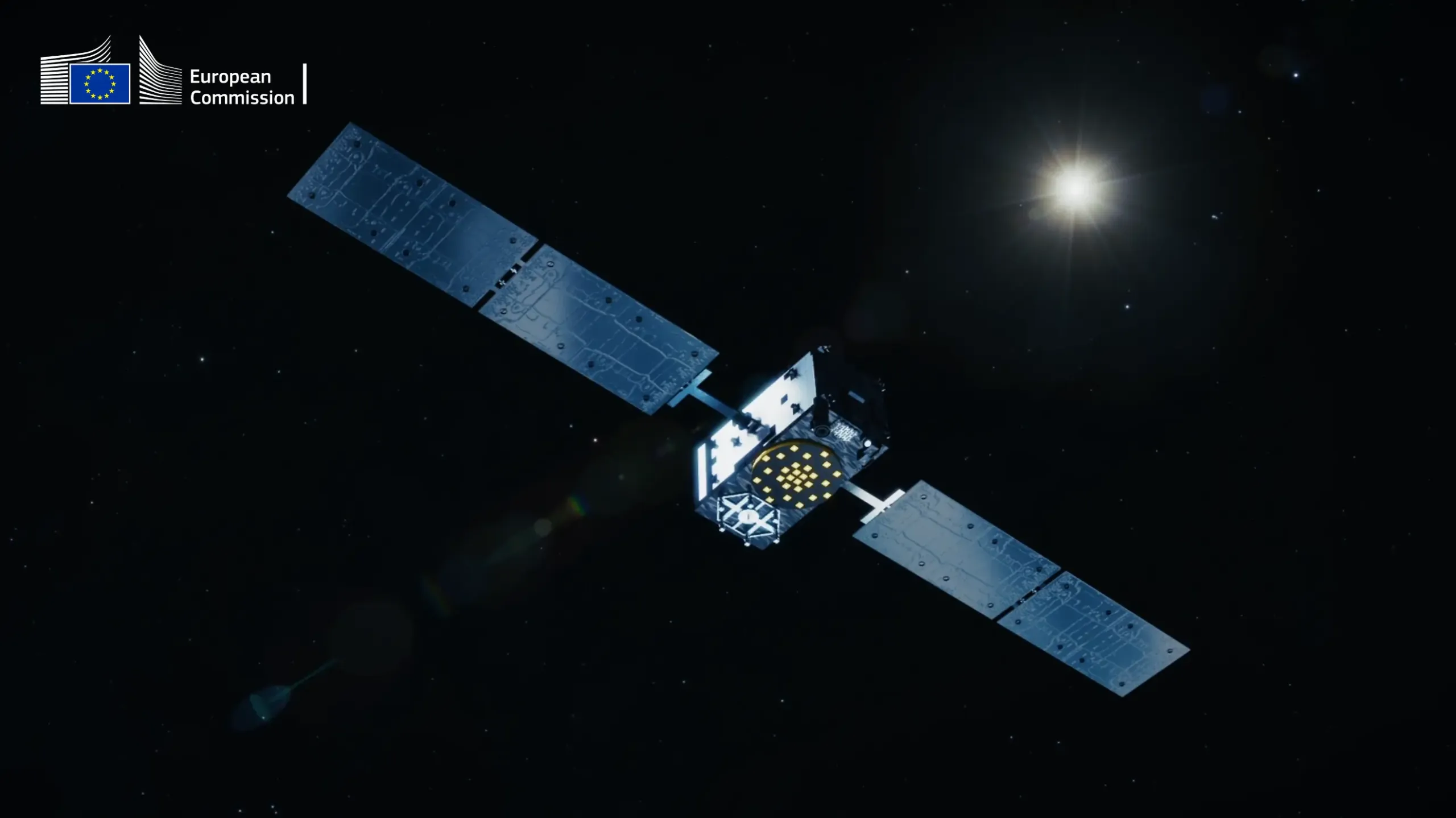
Imagine a ship navigating at sea, a drone flying autonomously or an emergency service coordinating a response. All of them can rely on satellite navigation to know where they are and when to act. Now imagine that the signal they receive is not genuine. Someone can transmit a fake signal and make the system believe it is somewhere else, without the user necessarily realising that anything is wrong. This is known as spoofing.
As Europe becomes more dependent on digital technologies and satellite navigation, protecting these signals is no longer just a technical issue. It is also a question of security, resilience and European sovereignty. Transport, telecommunications, energy, logistics and emergency services all rely, directly or indirectly, on trusted positioning and timing. If these services can be manipulated, the consequences can go well beyond showing the wrong location on a map.
This is where Galileo’s Signal Authentication Service, or SAS, comes in. It gives compatible users a way to check whether the Galileo signal they are receiving is genuine. In simple terms, it adds another layer of trust. Galileo does not only tell you where you are, it also helps you make sure that the information you are receiving can be trusted.
And this is no longer just an idea. On 16 September, Galileo SAS was put to the test in a real-world demonstration. For two hours, five operational Galileo satellites transmitted authenticatable signals and, for the first time, a civil GNSS receiver was able to authenticate its position and time using these signals. Thanks to the Galileo SAS concept, which builds on Galileo OSNMA (Open Service Navigation Message Authentication), operational since 2025, the receiver was able to verify the authenticity of both the information transmitted by the satellites and the ranging measurements used to calculate its position.
The most significant part of the demonstration took place in Andøya, Norway, during Jammertest, where controlled over-the-air jamming and spoofing tests were being carried out. This created a unique opportunity to see what happens when the system is put under pressure.
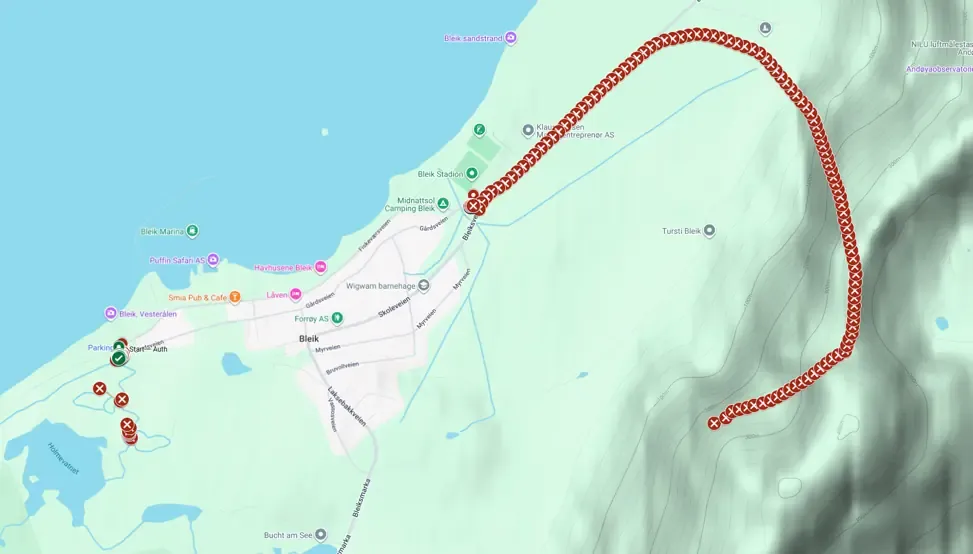
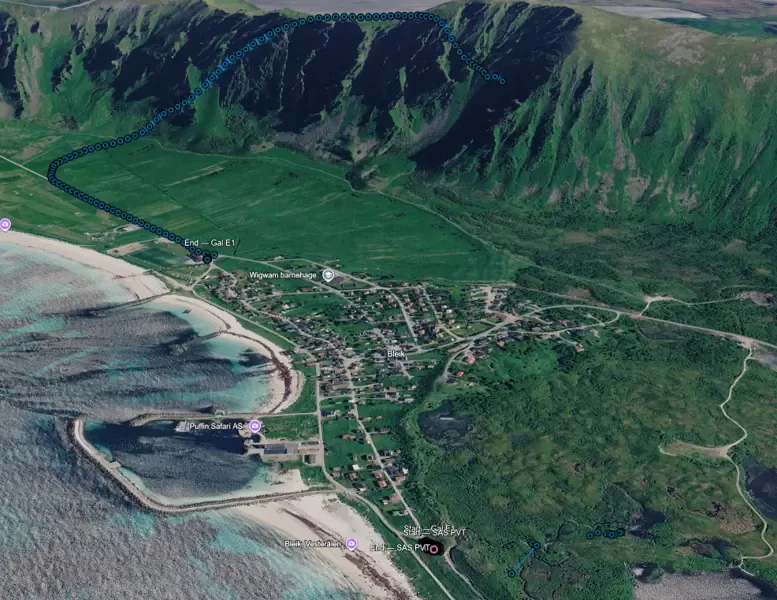
The results confirmed the expectations. Conventional receivers were deceived by the spoofing and reported false positions. The Galileo SAS receiver, however, was able to avoid being spoofed by relying on authenticated signals.
This is why authentication matters. In a world where positioning and timing have become part of the infrastructure of our economies and societies, we need not only accurate information, but information we can trust. Galileo gives Europe an independent source of positioning and timing. SAS adds another layer of security and resilience, helping protect that infrastructure against attempts to manipulate it.
And this achievement is also a European story involving the EU Agency for the Space Programme (EUSPA), the Galileo service provider, the European Space Agency, Galileo core ground and space segments lead architect, and the European Commission (DEFIS), Galileo Programme manager with the support of the Joint Research Centre (JRC). Together, these efforts show what European cooperation can deliver. Galileo is not only about knowing where we are. It is about building a European capability that we can rely on, trust and protect as our societies become increasingly connected and dependent on space-based services.