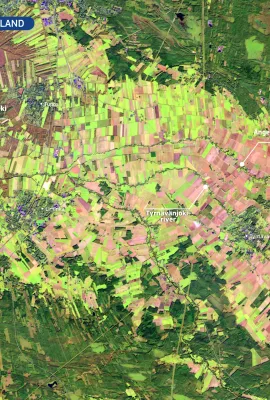
The Temmesjoki River is a small river that flows through the towns of Liminka, Tupos, and Tyrnävä on the Finnish coast of the Gulf of Bothnia, and empties into Liminganlahti Bay, a Natura 2000 and…
Results (2104)
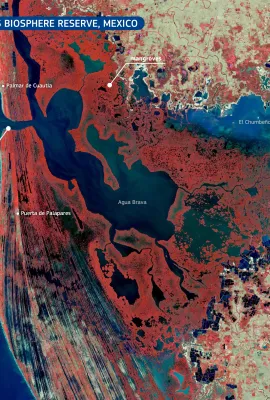
The Marismas Nacionales Biosphere Reserve is located in the Mexican state of Nayarit. The reserve consists of extensive mangrove systems and interconnected lagoons, including the Agua Brava lagoon…
Lake Omodeo, the largest artificial reservoir in central Sardinia, Italy, is a key asset for regional water supply, irrigation, and hydropower production. In recent years, however, prolonged drought…
Just weeks after its successful launch, Copernicus Sentinel-6B has delivered its first images, providing an early demonstration of how the mission will strengthen the global monitoring of oceans,…
On 17 December 2025 at 06:01 CET (02:01 local time), two new Galileo satellites, designated SAT-33 and SAT-34, lifted off from Europe’s Spaceport in French Guiana. These Copernicus Sentinel-2 images…
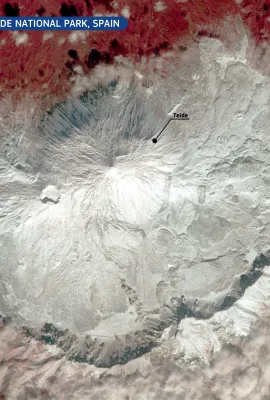
Teide National Park, a UNESCO World Heritage Site, is located on the island of Tenerife, the largest of the Spanish Canary Islands. It hosts one of the world’s most striking volcanic landscapes,…
This hackathon strives to find new applications based on Copernicus data in the fields of city, land and transport.
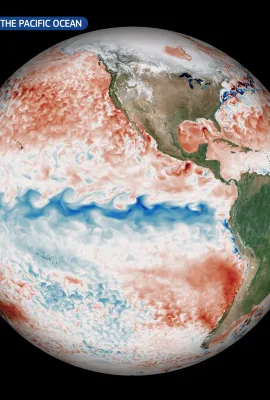
La Niña is a naturally occurring climate phenomenon characterised by cooler-than-average sea surface temperatures in the central and eastern equatorial Pacific Ocean. It is part of the El…
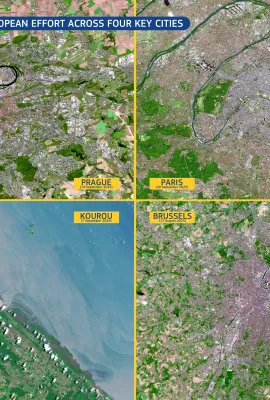
The agricultural landscape surrounding Prague reflects the long-standing importance of farming in the Czech Republic, where arable land supports both national food production and rural livelihoods.…
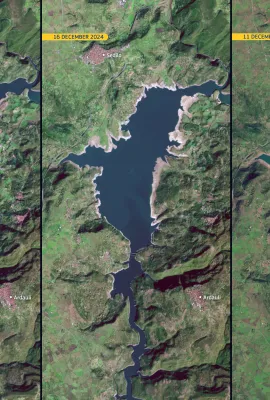
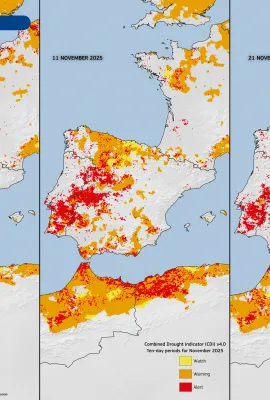
In autumn 2025, persistently warm conditions combined with limited rainfall led to persistent drought conditions across the Iberian Peninsula. As rainfall deficits accumulated, soil moisture levels…
After reaching the second-lowest extent on record in November 2025, sea ice extent in the Arctic remained unusually low into December. Data from the EUMETSAT Ocean and Sea Ice Satellite Application…
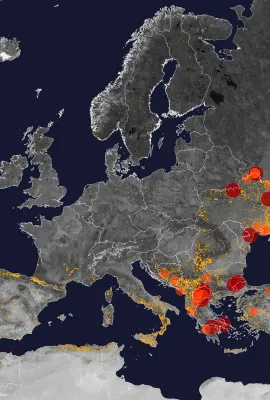
The recently published Forest Fires in Europe, Middle East and North Africa 2024 Report, based on data from the European Forest Fire Information System (EFFIS), indicates that although last year’s…
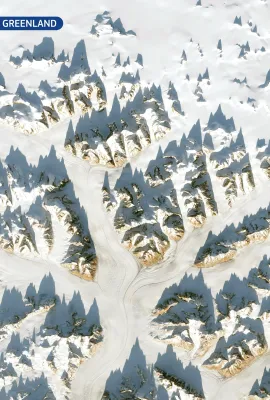
Greenland’s mountains are crucial for shaping regional climate patterns, influencing ice-sheet dynamics, and directing meltwater to the coast. They also host some of the world’s largest outlet…
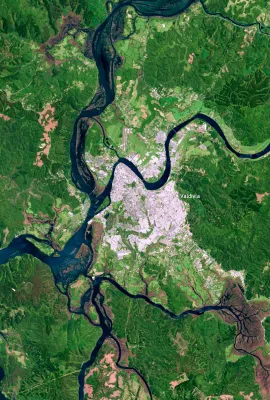
Located in southern Chile’s Los Ríos Region, the city of Valdivia has been internationally designated under the Ramsar Convention as Latin America’s first “Wetland City”. The recognition comes after…
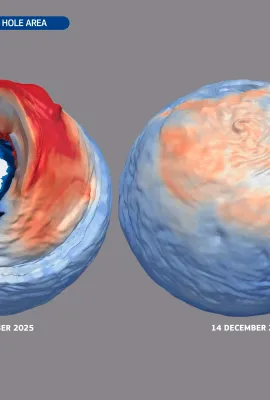
The 2025 Antarctic ozone hole closed on 1 December, marking the earliest closure since 2019. This year’s ozone hole was also relatively small for the second consecutive year, especially when compared…
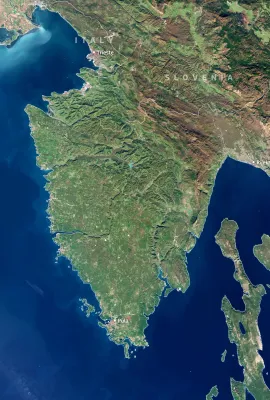
The Istrian Peninsula, the largest peninsula in the Adriatic Sea, is a region of high ecological value. It hosts a mosaic of karst hills, coastal wetlands, and productive marine habitats which…
Iceland’s glaciers are among the most prominent in Europe and play an important role in regulating freshwater resources and sea level contribution. In recent decades, they have shown sustained…
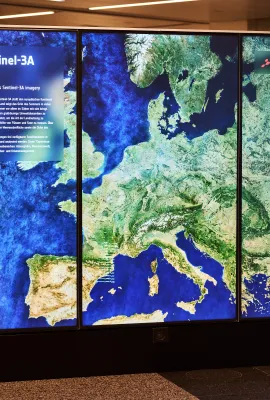
During the action, a mobile presentation platform was developed which demonstrates the opportunities and benefits of Earth Observation.
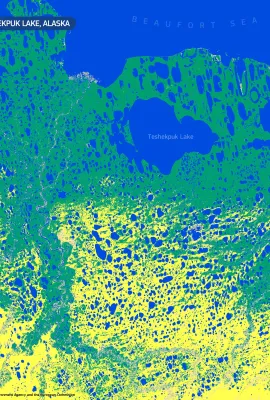
The Teshekpuk Lake Special Area, situated on Alaska’s North Slope, is one of the most ecologically important Arctic wetland systems in North America. Recognised for its high conservation value, the…
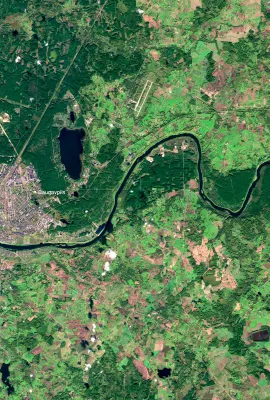
Daugavpils, Latvia’s second-largest city, lies to the south-east of the country and has long served as a key regional centre. Its development and identity are closely tied to the Daugava River, which…
Showing 1681-1700 of 2104 results