
Countdown to Launch: Copernicus Sentinel-3C Takes Flight on 14 September
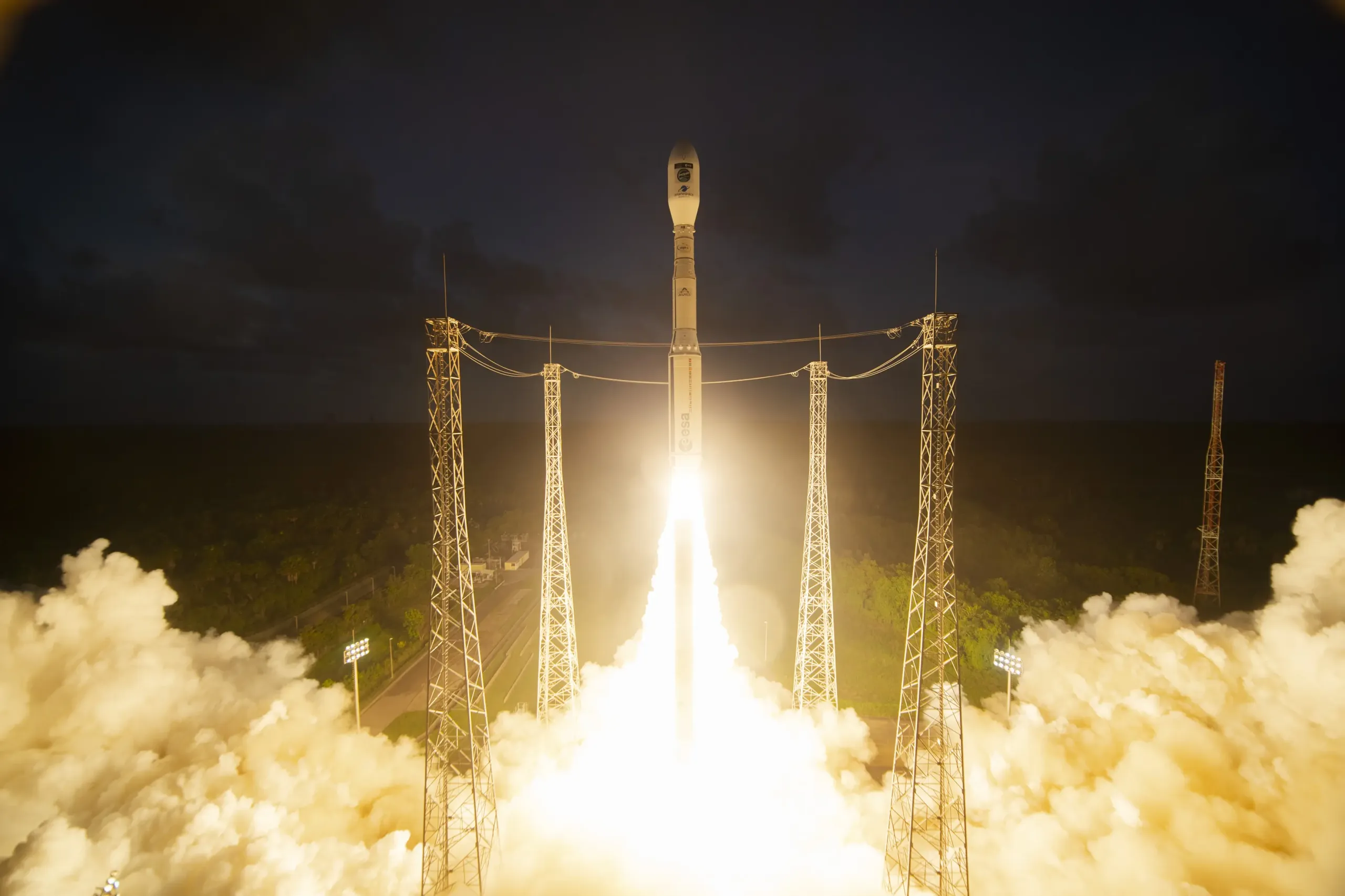
On 14 September at 22:21 Kourou time (01:21 UTC on 15 September, 03:21 CEST), the Copernicus Sentinel-3C satellite will be launched from the European Spaceport in French Guiana aboard a Vega C launcher operated by Avio. The mission, designated VV30, will place Sentinel-3C into a Sun synchronous orbit at around 820 km above Earth, where it will join Sentinels 3A and 3B and continue delivering vital information about our planet.
Owned, managed and funded by the European Commission, Copernicus is the European Union’s Earth observation programme, providing free and reliable data to support citizens, businesses, researchers and public authorities. Sentinel-3C is the latest addition to the Sentinel-3 mission, which monitors the health of our planet by observing oceans, land, ice and the atmosphere from space.
Keeping Europe connected to its planet
By combining advanced space technology with open and accessible data, Copernicus helps Europe better understand environmental changes, prepare for risks and support informed decisions. Sentinel-3C will strengthen this capability, ensuring that Europe continues to have a reliable and independent view of the Earth for years to come.
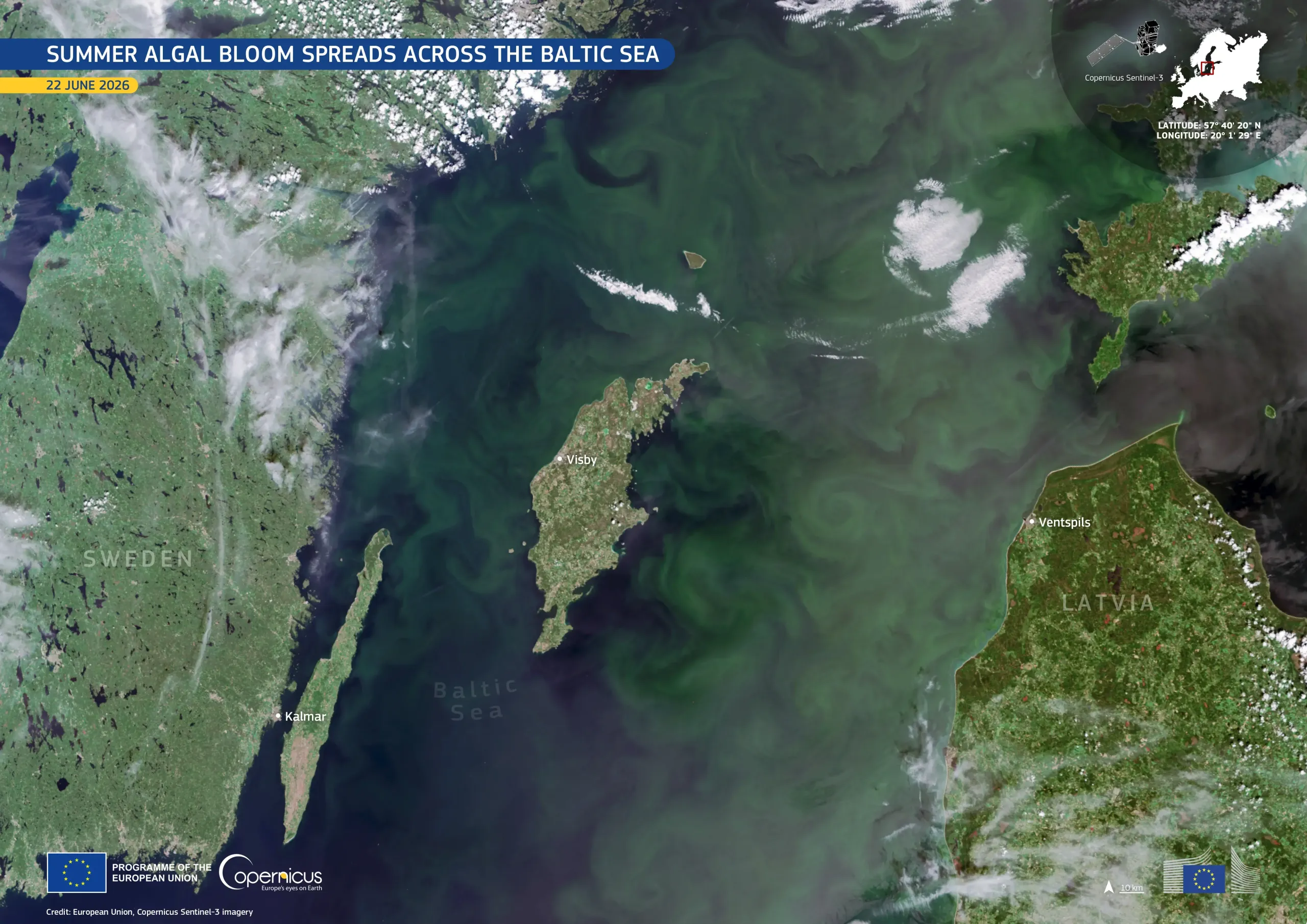
Through measurements of sea surface temperature, ocean colour, sea level, land cover and other environmental indicators, Sentinel-3 provides essential information for climate monitoring and environmental management. By analysing changes in ocean colour, Sentinel-3 can also detect and track algal blooms, helping scientists and authorities monitor their evolution, assess potential impacts on marine ecosystems and support the sustainable management of coastal waters.
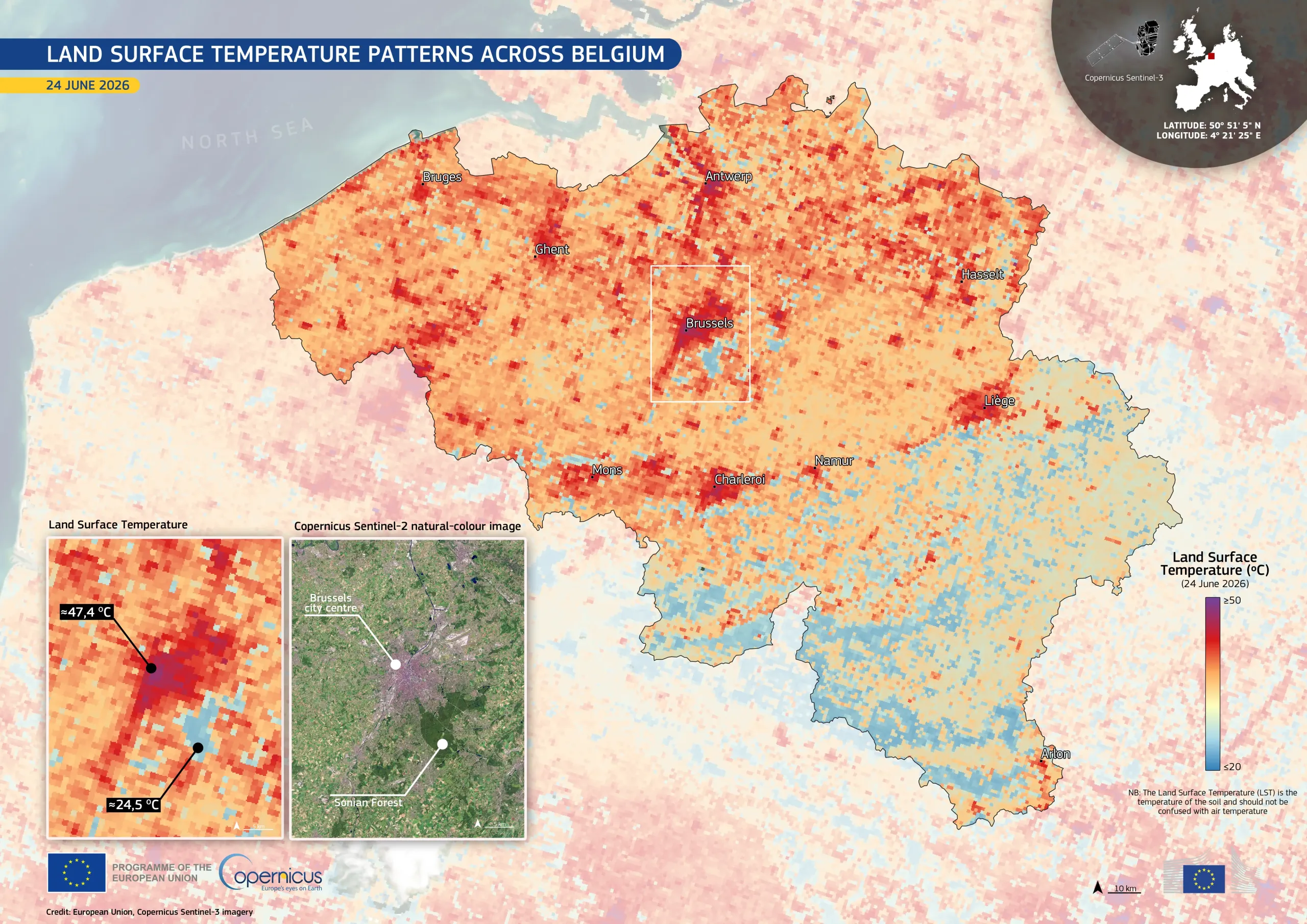
Sentinel-3 data are used every day to better understand and respond to environmental challenges. They help monitor wildfires while also supporting the analysis of extreme weather events such as heatwaves. For example, Sentinel-3 observations provide valuable insights into land surface temperatures during periods of intense heat, helping authorities assess the impact of heatwaves on communities, agriculture and ecosystems.
As the third satellite in the mission, Sentinel-3C will ensure continuity of these services for thousands of users worldwide, working alongside its predecessors to maintain a long-term flow of high-quality data. Its arrival will help secure the availability of critical information for monitoring changes on land and at sea for years to come.
A European partnership behind the mission
Sentinel-3C has been designed and developed by the European Space Agency (ESA) on behalf of the European Commission, with Thales Alenia Space as the prime contractor and support from a wide network of European companies contributing to the satellite’s instruments and systems.
Once the satellite is tested in orbit, EUMETSAT will be operating the satellite and delivering data and services to users.
Sentinel-3C, weighing approximately 1,143 kg, will be launched together with ESA’s Earth observation satellite FLEX (FLuorescence Explorer), in a dual satellite launch using Vega C.
FLEX and Sentinel-3 will be complementary missions, combining Sentinel-3’s broader observations of ocean, land and ecosystem conditions with FLEX’s detailed measurements of vegetation fluorescence to provide a more complete view of global vegetation function and status.
`