
OBSERVER: The EU and Canada launch the OceanEye International Alliance for the Global Ocean Observing System
Every day, 8,000 floats, buoys, ships, and other platforms collect around 120,000 observations of the global ocean. These data support weather forecasts, climate projections, safety at sea, and a sustainable blue economy, yet the observation system relies heavily on a small number of contributors for funding. On 23 September 2026, during the 81st United Nations General Assembly, the European Union and Canada launched the OceanEye International Alliance for the Global Ocean Observing System (GOOS) at a high-level pledging event. Partners pledged at least €211 million in financial and in-kind support. In this Observer, we look at what the new alliance aims to achieve and how it will support global ocean observation.
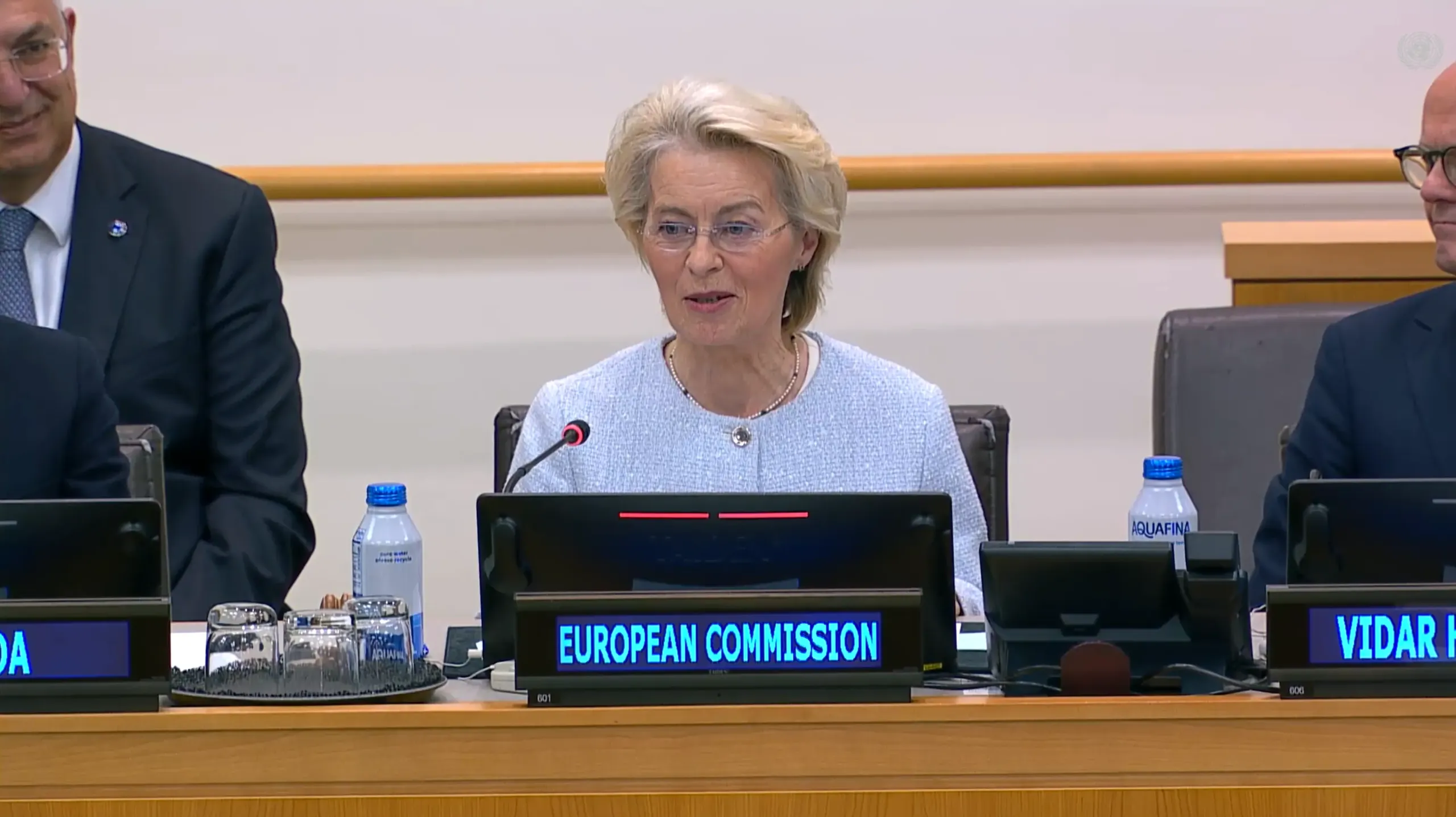
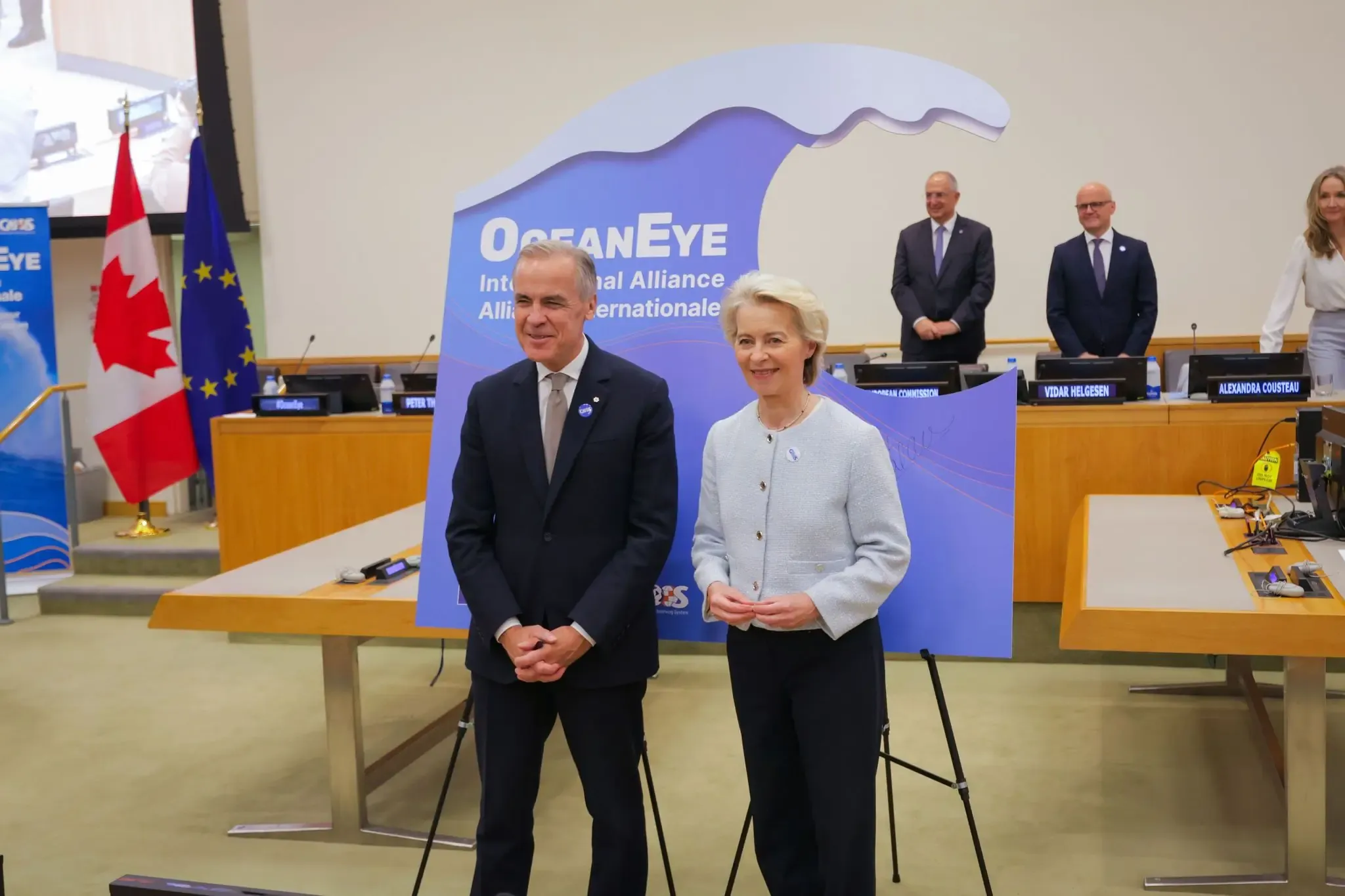
On 23 September 2026, during the High-Level Week of the 81st United Nations General Assembly, the President of the European Commission, Ursula von der Leyen, and the Prime Minister of Canada, Mark Carney, launched the OceanEye International Alliance for the Global Ocean Observing System (GOOS) at United Nations Headquarters in New York. The pledging event was held in partnership with the Intergovernmental Oceanographic Commission of UNESCO (IOC-UNESCO) and the World Meteorological Organization (WMO) with the goal of broadening support for a system on which weather forecasts, climate projections, and maritime safety depend. IOC-UNESCO Executive Secretary Vidar Helgesen and WMO Secretary-General Professor Celeste Saulo also delivered remarks on behalf of their organisations.
Opening the event, President von der Leyen gave a concrete example from Ireland, referring to Storm Éowyn, which caused serious damage in January 2025, with wind gusts reaching 180 km/h. She explained that the data captured by ocean sensors had given Ireland almost a full week to prepare and warn its people.
A new alliance
GOOS, brings together 64 countries, 17 global observation networks, and around 8,000 platforms, which together deliver 120,000 observations per day. However, it is heavily dependent on a small number of major contributors, which leaves it exposed to funding cuts and geopolitical instabilities. Without broader support, gaps in ocean data are likely to persist and long-term records could be interrupted.
Ocean Observation is our eyes and our ears beneath the waves.
— Ursula von der Leyen
President of the European Commission
To address this issue, the EU and Canada brought together heads of state and government, civil society partners, and UN organisations to reaffirm their commitment to GOOS. The pledging event had four goals. The first was to secure financial and in-kind resources to sustain observing systems, expand coverage, and maintain infrastructure at risk. The second was to broaden the contributor base so that the cost of ocean observation is shared more equitably. The third was to strengthen coordination, including support for the GOOS Secretariat and OceanOPS, which monitors and reports on the status of ocean observing networks. The fourth was to encourage commitments at national level.
€211 million pledged
By the close of the event, partners had pledged at least €211 million in financial and in-kind support for global ocean observation. According to President von der Leyen, 30 countries had already pledged their support to the alliance. The EU announced an increase of almost €100 million in its own support for ocean observation, in addition to €155 million already invested in projects around the world.
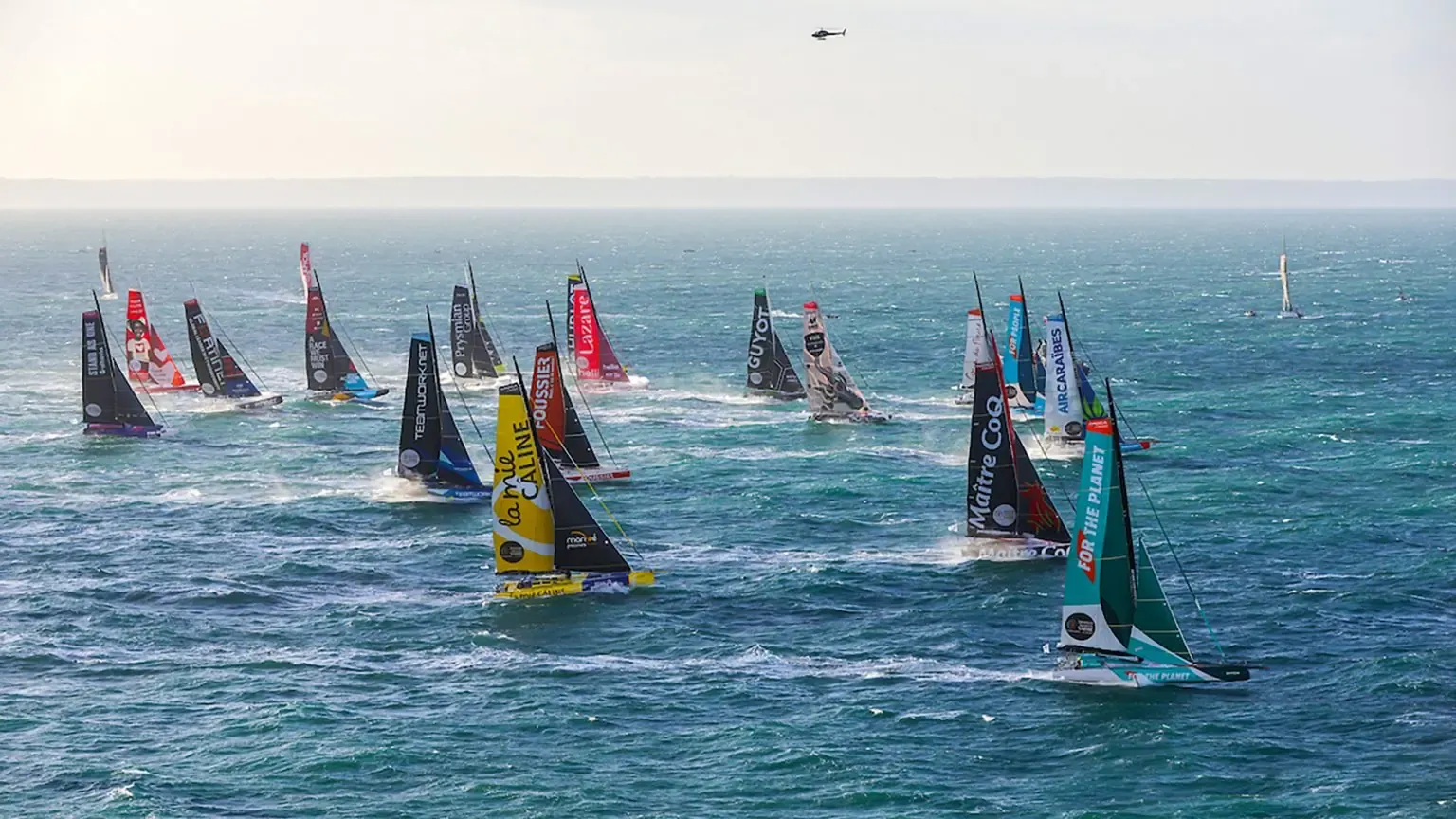
In-kind contributions also come from partners beyond governments. President von der Leyen announced that, through OceanEye and IOC-UNESCO, all 40 boats engaged in the 2028 Vendée Globe, a solo round-the-world sailing race, would carry scientific instruments through remote waters such as the Southern Ocean, one of the least-observed regions on Earth.
Satellites for the sea
Satellites and in situ instruments observe the ocean in different ways. Satellites cover large areas repeatedly, measuring surface properties such as temperature, salinity or sea level. In a video message for the event, French astronaut Sophie Adenot said: ‘The satellites that we can see very well in the dark sky allow us to observe this ocean on a large scale and to improve our understanding of how it works’. Floats, buoys, and ships measure conditions at and below the surface, and their measurements are also used to calibrate and validate satellite data.
Copernicus, the Earth Observation component of the EU Space Programme, brings the two together. The Copernicus Marine Service combines satellite observations with in situ data to provide information on the global ocean and European regional seas. Stable in situ networks therefore support the continuity and quality of Copernicus ocean products.
President von der Leyen highlighted EU support for both satellite and in situ observations: ‘Just last week, we launched Sentinel-3C, a new satellite to monitor sea temperature. Next year, the CRISTAL-A satellite will give new data about the polar regions,’ she said. ‘So, from space to the deepest ocean, our funding helps us keep watch beneath the waves.’
Next steps for the OceanEye alliance
The alliance also supports international commitments, including Sustainable Development Goal 14 on life below water and the Agreement on Marine Biological Diversity of Areas beyond National Jurisdiction. At the national level, countries are encouraged to designate National Ocean Observation Focal Points, to coordinate ocean observations, develop national implementation plans, and connect national ocean data with global data systems.
Interested countries and partners will have further opportunities to make financial or in-kind pledges at the 31st UN Climate Change Conference (COP31), the 12th Our Ocean Conference, and the fourth UN Ocean Conference.