

Strengthening launch infrastructure
Building the Ground Infrastructure Europe Needs to Access Space
Europe needs the right facilities to develop, test and launch its rockets. The EU supports the development, upgrading and accessibility of critical infrastructure, including spaceports, engine test stands and testing facilities. By addressing infrastructure gaps and lowering barriers to entry, particularly for start-ups and SMEs, this investment helps diversify European launch capabilities, strengthen the industrial ecosystem, attract private investment and ensure reliable, competitive access to space.

Making Europe’s Launch Infrastructure More Flexible and Accessible
Through Horizon Europe and pilot projects, the EU supports smarter launchpads, more interoperable infrastructure, better access to existing facilities and more flexible launch solutions.
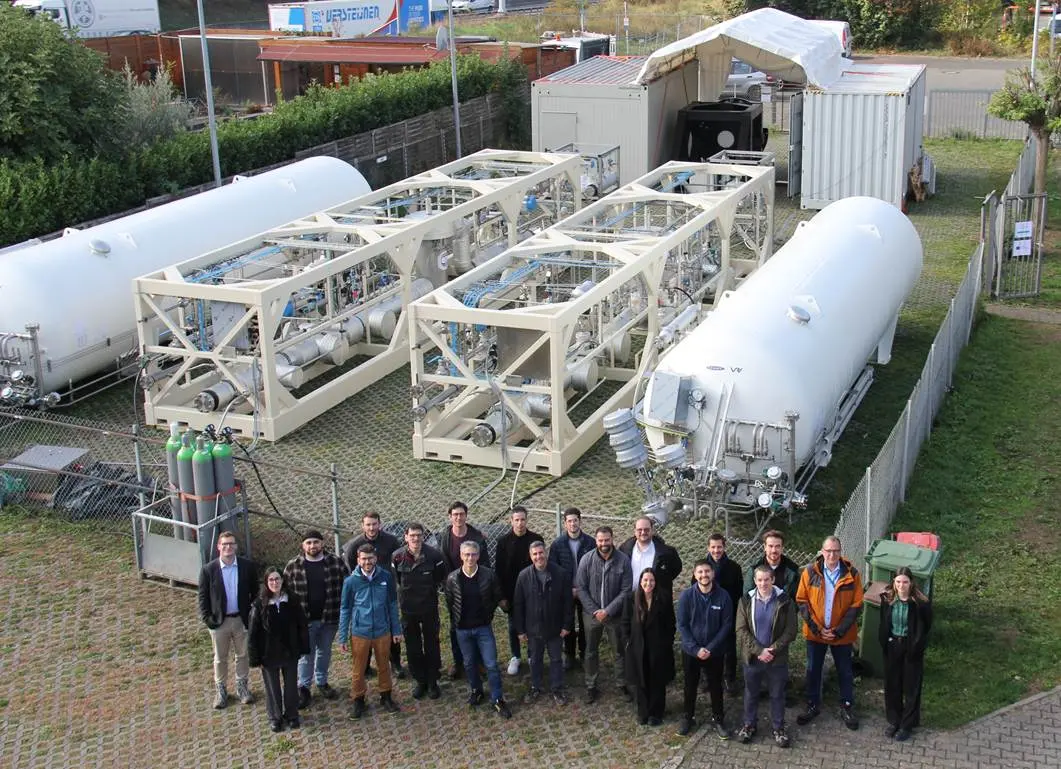
Under Horizon Europe, the EU’s research and innovation programme, the Commission funds the EU-BEST project to develop mobile, interoperable propulsion test benches, helping reduce testing costs and improve access to facilities. The EU is also exploring mobile and responsive launch systems through studies examining the infrastructure, technologies and capabilities needed to make launch operations more flexible.
Who contributes to access to space ground infrastructure?
The European Commission sets strategic priorities and develops research and innovation actions. DG DEFIS leads on the space component, working closely with DG RTD under Horizon Europe.
The Commission works with Member States, national space agencies, ESA, industry, SMEs, start-ups, universities and research organisations to identify needs and priorities.
HaDEA manages space-related Horizon Europe calls and grants, while ESA acts as an important implementation partner.
Frequently Asked Questions
Different launch sites serve different types of launchers, orbits and missions. For example, French Guiana's equatorial spaceport is suited to different missions from high-latitude sites in northern Europe.
A network of launch sites also reduces dependence on a single facility, strengthens resilience and gives smaller and emerging launch providers more opportunities to reach orbit. The European Commission supports the development of a diversified network of spaceports.
Support can cover spaceports, launchpads, propulsion test facilities, development and qualification centres, testing facilities and launcher integration infrastructure. It can help improve access, maintenance, adaptation, upgrading and interoperability.
No. Launch sites and testing facilities are owned and operated by Member States, national agencies or private companies. The EU supports their development and improvement, for example through grants.
Horizon Europe projects are selected through competitive calls, with proposals assessed by independent experts. Grants are managed by the European Commission's executive agency, HaDEA.
Other DG DEFIS actions, such as initiatives supporting access to testing facilities, may be funded through public procurement under the EU Financial Regulation.