
Adapting to a new climate reality with FLaude
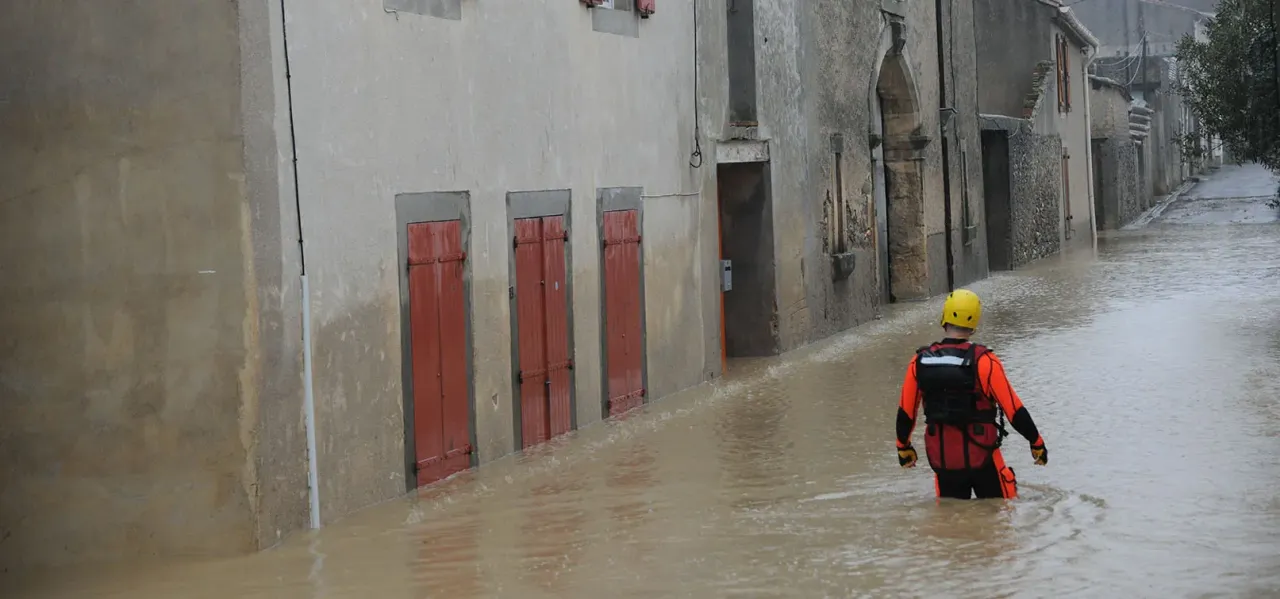
Climate change and environmental degradation are impacting the frequency and severity of disasters. In 2018, flooding devastated the French department of Aude, illustrating how impactful the changing climate can be to communities on the ground.
With data from the Copernicus Climate Change Service (C3S), projects like FLaude are developing tools to help decision makers reduce the consequences of climate change on their territories.
Key figures
past extreme events were identified in Aude, France by FLaude
The challenge
The French department of Aude in the region of Occitanie has been hit by heavy rains multiple times in the last 60 years. The resulting floods, which are exacerbated by agricultural practices like land consolidation and hedge suppression, damage the surrounding areas. Local and national public authorities realised the need to prepare for a future in which these intense rainfall events are more commonplace.
The solution
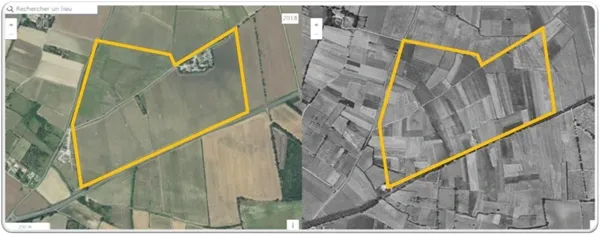
The FLaude project used data from C3S and Météo-France to identify five previous extreme weather events. Copernicus provided information on indicators such as daily precipitation, soil moisture, and river discharges. When compared with the Météo-France reference datasets and observations, the FLaude team was able to observe how agricultural practices negatively impacted Aude’s resilience to floods.
Results and impacts
The results found by FLaude will help local and national public services identify methods to mitigate local impacts of climate change. FLaude’s recommendations included information such as where to plant hedges, where to prioritise logjam removal after a flood, and where to encourage changes in ploughing methods.