
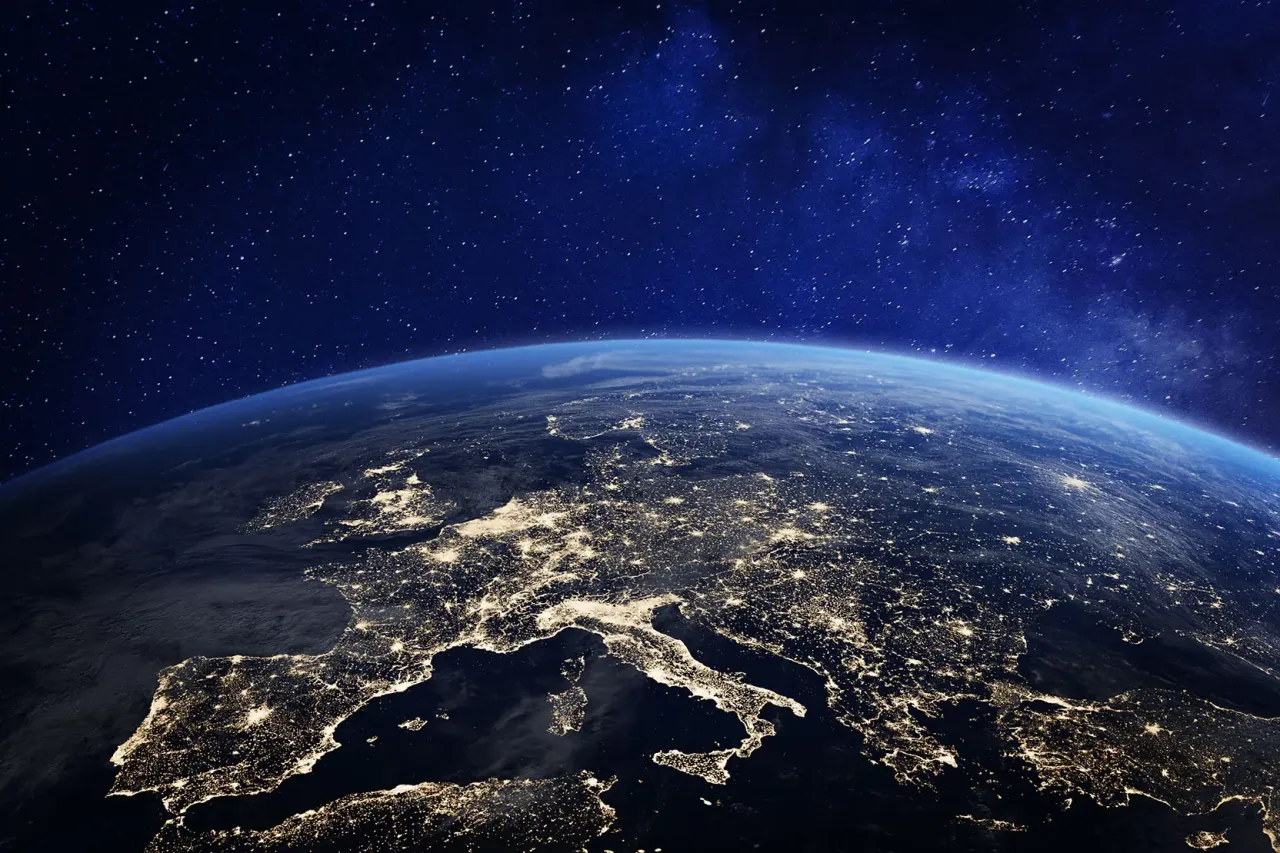
EU Space programmes
The EU owns and manages infrastructure in space and on the ground which provide space-based data and services to governments, businesses, researchers, and citizens. Dive into our components pages, where you’ll learn how our Earth Observation, satellite navigation, and other EU Space activities bring you key services every day.
Copernicus' Earth Observation system, developed in partnership with the European Space Agency (ESA), serves as Europe's eyes on Earth. Its vast and freely accessible collection of global data informs EU citizens, businesses, researchers and decision makers on essential topics, including crop conditions, pollution levels, or safety at sea.
Its data also helps address much broader challenges, such as monitoring our climate.
Galileo's positioning and timing information supports services and devices you use every day. You can use it to help you get around in a new city or navigate to a place you're looking for. Galileo is also used in search and rescue operations.
The European Geostationary Navigation Overlay Service (EGNOS) monitors and improves the accuracy of satellite-based navigation services. It is widely used in Europe for commercial flights.
In the new age of digital connectivity, not only access and speed, but also security is important. To limit the number of areas with poor or degraded internet connection and to protect us from malicious attacks on vital services, EU Space is rolling out two new components.
Together, Infrastructure for Resilience, Interconnectivity, and Security by Satellite (IRIS²) and Governmental Satellite Communications (GOVSATCOM) will make sure everyone – from our governments to individua
Space Situational Awareness (SSA) and Space Traffic Management (STM) help keep space operations safe and sustainable. SSA monitors objects, debris, space weather and other potential hazards, while STM uses this information to coordinate space traffic, reduce collision risks, and protect spacecraft, people and infrastructure on Earth.