

STM requirements
Safeguarding space operations
With millions of debris and thousands of new satellites, managing space traffic is essential. Avenue 1 of the EU STM approach gathers civilian and military operator needs to ensure continued safe operations in space.
EU approach to Space Traffic Management
Normal text: The EU STM approach proposes ten actions along four avenues, several of which call for fora in which experts develop solutions to the rapidly increasing traffic in space together with the Commission, the High Representative and other EU and European bodies commonly.
Mirroring the four avenues of the EU STM approach, the Stakeholder Mechanism on Space Traffic Management (STM) consists of one main group and four subgroups which gather ideas and contributions to implement the ten STM actions.
The main group coordinates and supervises the work of the subgroups and ensures liaison between DG DEFIS and EEAS on the one hand and the Member States on the other.
For more information on space traffic management, contact DEFIS-STM@ec.europa.eu.
Avenue 1: STM requirements of civilian and military space operators
EU (and Norwegian) civilian space operators and the European Defence Agency aggregating input of EU military space operators together with the Commission and the High Representative gather and aggregate the needs of both communities towards STM so that they continue to be able to operate in space.
While the group is still busy aggregating STM operator requirements, their input already shapes and informs EU policymaking and engagement.
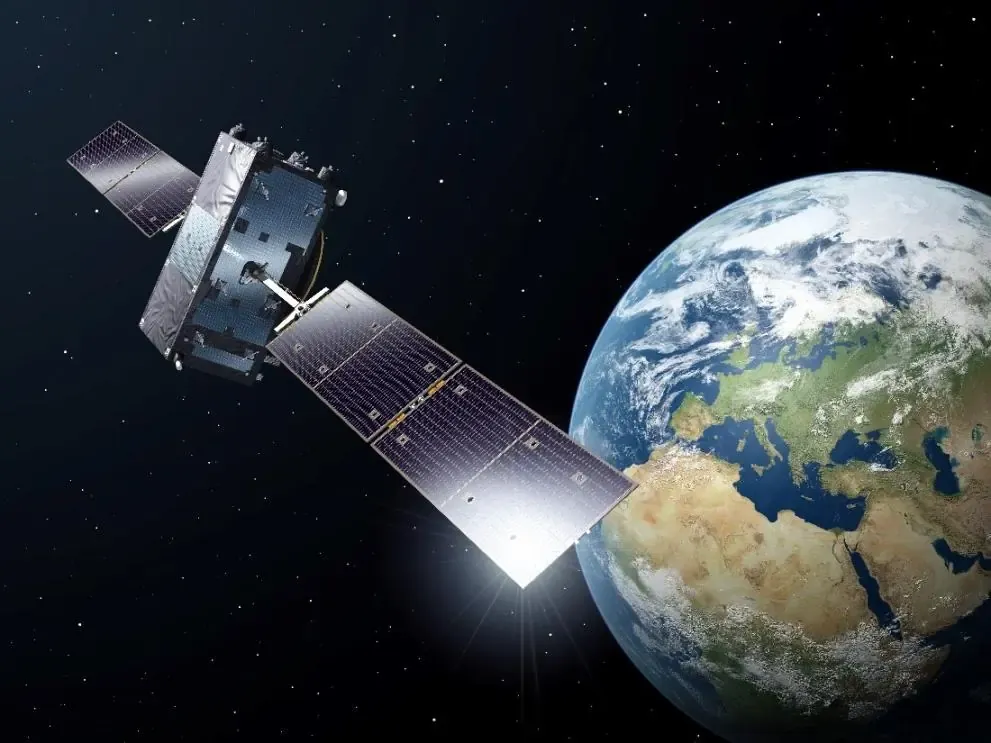

EU Space Surveillance and Tracking (EU SST) is the cornerstone of EU STM strategy. EU SST fosters innovation and supports European industrial capabilities for strategic autonomy. The EU Industry and Start-ups Forum on STM (EISF) unites stakeholders to define R&D priorities.
The EU approach on Space Traffic Management (STM) proposed by the Commission and the High Representative therefore aims at keeping space operations safe, space orbits usable, and space accessible for decades to come while ensuring and further fostering the competitiveness of the EU space industry.
- Regulation (EU) 2021/696
- Joint Communication: An EU Approach for Space Traffic Management
- Fair and sustainable use of space (Council Conclusions of Swedish Presidency (2023)
- EU approach to space traffic management (Council Conclusions of French Presidency (2022)
- An EU approach for Space Traffic Management (European Parliament Resolution (2022)
Space Traffic Management subcomponents

With millions of debris pieces and thousands of new satellites in orbit, managing space traffic becomes increasingly essential. Avenue 3 of the EU approach to Space Traffic Management (STM) develops and promotes voluntary measures and binding obligations in the field of space traffic management.
Safeguarding space operations
With millions of debris and thousands of new satellites, managing space traffic is essential. Avenue 4 of the EU STM approach promotes the Union's strategy internationally as its contribution to addressing the global challenge of increasing space traffic.
With millions of debris and thousands of new satellites, managing space traffic is essential. Avenue 1 of the EU STM approach gathers civilian and military operator needs to ensure continued safe operations in space.
With millions of debris pieces and thousands of new satellites in orbit, managing space traffic becomes increasingly essential. Avenue 2 of the EU approach to Space Traffic Management (STM) supports the EU’s industrial space surveillance and tracking capabilities and helps the European space surveillance industry to become more competitive.