

Copernicus Atmosphere Monitoring Service (CAMS)
The Copernicus Atmosphere Monitoring Service (CAMS) works to provide quality-assured data and information on the atmospheric composition with a focus on air pollutants and greenhouse gases.
Implemented by the European Centre for Medium-Range Weather Forecasts
It delivers consistent data and products relevant to support policy decision and inform users interested in five main areas:
- Air quality and air pollution episodes management
- Ozone layer
- Air pollutants and greenhouse gases emissions and surface fluxes
- Solar radiation
- Climate forcing
Overview
CAMS is built upon ECMWF modelling systems and high-performance computing infrastructure combined with in-situ and earth observations to provide a large range of state-of-the-art and reference products at the global scale. In addition CAMS develops European and national services focused on air quality with the support of EU experts in environmental institutes and meteorological services. The service provides products such as:
- Regional and global air quality forecasts, daily analyses and historical reanalyses (for the 20 past years) in accessible formats such as maps, charts and raw data.
- Pollen forecasts at the European scale
- Retrospective assessments of air pollution episodes and long-range air pollution events including those induced by natural sources like wildfires and dust transport.
- Emission inventories and observation-based emissions and fluxes to support regulatory emission reporting processes
- Source attribution tools and services to support design of air pollution mitigation measures
- Stratospheric ozone monitoring and ozone hole forecasting
- Solar radiation forecasts and analyses.
- CAMS has a wide range of societal and economic applications, from informing urban planning policies, national and sectoral mitigation strategies for reducing air pollution to supporting health impact assessment associated to air pollution or helping plan the installation of solar farms.
The service has also developed a series of accessible applications to facilitate dissemination of understandable and reusable information such as the Methane Hotspot emissions Explorer which tracks methane sources all over the world, the Aerosol Alerts system that help anticipate the occurrence of particulate matter episodes, or a range of Policy Tools.
CAMS is developing CO2MVS, a state-of-the-art greenhouse gas emissions monitoring tool based on Earth Observations that aims at providing independent emission assessments to support monitoring and verification processes. . with reporting activities
All CAMS data and services are freely accessible through the Atmosphere Data Store (ADS). There, users can:
- Download datasets for applications ranging from research to policymaking
- Get advice on how to use and interpret CAMS data
- Find online resources and workshops
Methane Hotspot Explorer
Other Copernicus services

The Copernicus Climate Change Service (C3S) provides free and open access to its state-of-the-art, quality-assured climate data and insights to help inform climate adaptation and mitigation strategies worldwide.
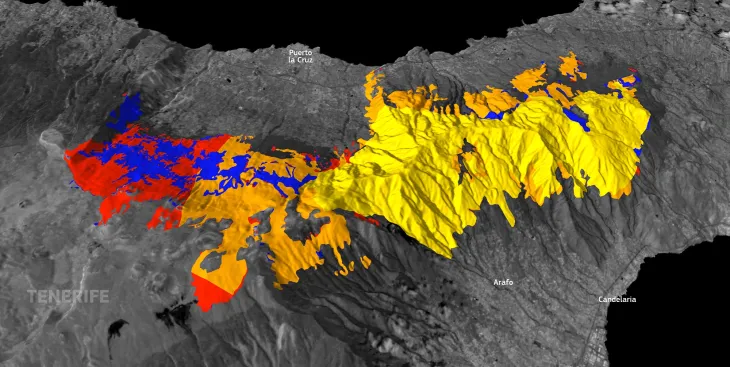
The Copernicus Emergency Management Service (CEMS) works to increase resilience, prevent the loss of life and property, and reduce damage to ecosystems before, during, and after disasters.
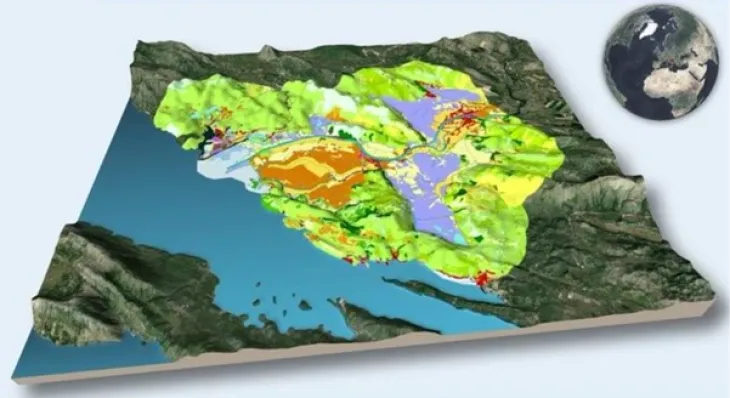
The Copernicus Land Monitoring Service (CLMS) helps Europe and the world make safer and more sustainable choices with regards to our planet and its vital resources.
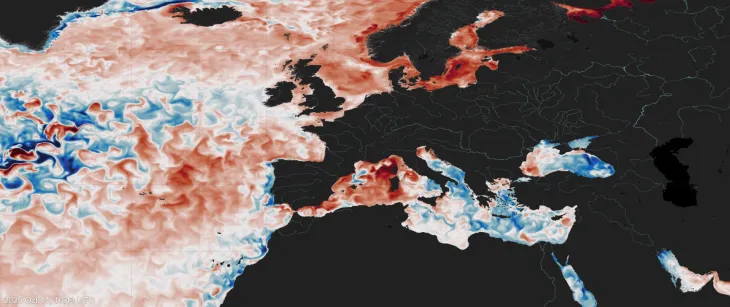
The Copernicus Marine Service (CMEMS) provides free and open data and services tracking these important ocean indicators. Its information helps to combat pollution, protect marine environments, develop new energy resources, raise global awareness of ocean-related issues, and much more.
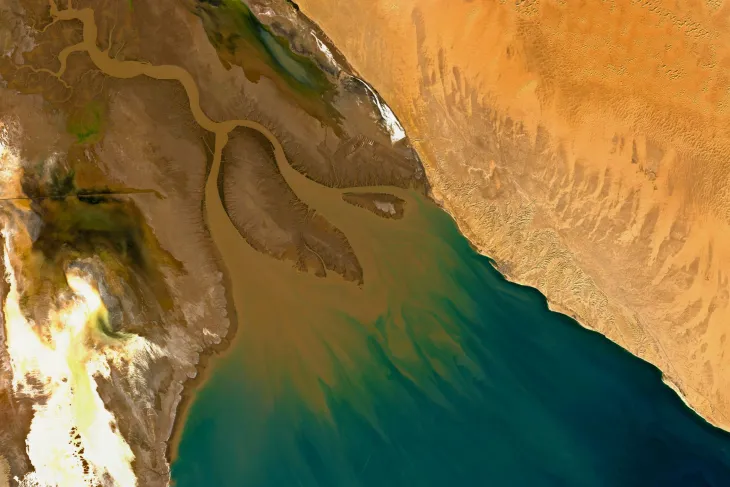
The Copernicus Security Service (CSS) supports innovative strategies to meet Europe’s security and foreign policy needs. It enables activities ranging from mapping and monitoring illegal logging or mining activities to combatting marine pollution and supporting law enforcement at sea.