
OBSERVER: Orbital Data Centres workshop looks into the prospects of sovereign computing in space for Europe
As the global race for computing power and cloud storage intensifies, the frontier for data processing may lie not on the ground, but in orbit. Orbital Data Centres (ODCs) represent a potential new capacity for the European space ecosystem and a building block of a larger in-space economy. On 13 May 2026, the Orbital Data Centres Workshop brought together industry leaders (large and small), researchers, consultants, institutional actors and policymakers in Brussels and online to discuss the current state of the matter, explore global perspectives, and reflect on the actions required to move forward. In this Observer, we delve into highlights from the workshop.
Computing in orbit
Every day, satellite missions generate vast quantities of data, which ground stations receive, process, and distribute to users across the globe. However, this process remains heavily constrained. It may take up to 24 hours from the moment a satellite acquires an image to the point at which an analyst can analyse it. For time-sensitive applications such as disaster response or maritime surveillance, this delay carries real consequences. Furthermore, each satellite has only narrow transmission windows per pass in which to send data to the ground.
Processing data closer to the point of collection, directly in orbit, would address this constraint. Computing infrastructure can be placed in space, capable of filtering and processing data before it reaches the ground. Rather than transmitting raw imagery across limited downlink windows, an ODC satellite could send only actionable information, reducing both latency and bandwidth demands.
Ground-based data centres also consume vast amounts of electricity, a demand which is set to accelerate as artificial intelligence applications proliferate. Computing infrastructure placed in orbit, powered by solar energy and able to dissipate heat directly into space, could operate without this constraint, presenting a potentially more sustainable model for large-scale data processing.
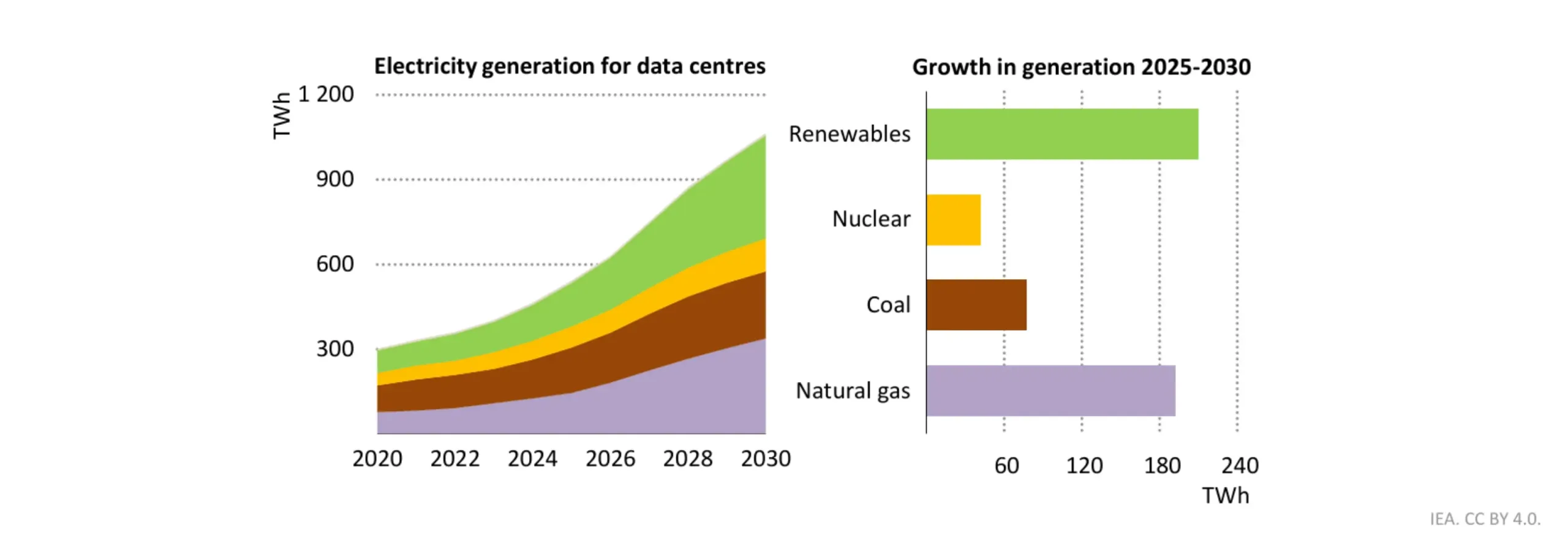
These practical considerations, alongside broader objectives of resilience and strategic autonomy, brought participants to the Orbital Data Centres Workshop on 13 May 2026.
Opening the workshop, Zuzana Mazanova, Head of Unit for Space Single Market at the European Commission, framed the discussion around open questions. She noted that the challenge was not simply technical: it is about determining whether ODCs can be economically and environmentally sound, how their development intersects with questions of security and governance, and, fundamentally, which issues are genuinely best addressed in orbit rather than on the ground.
Strategic enough to coordinate now
Speakers throughout the day noted that ODCs are at least decades away from full operational deployment. The technology is not yet fully ready, common standards do not exist, and business models remain largely unproven. At the same time, different possible concepts co-exist, ranging from distributed to single monolithic, and trade-offs need to be performed at various levels to define the way forward. However, the strategic implications of ODC leadership are promising enough for Europe to start working in a coordinated effort now.
The feasibility of the concept has already been the subject of a dedicated study. Advanced Space Cloud for European Net zero emission and Data sovereignty (ASCEND), a 16-month EU-funded Horizon project coordinated by Thales Alenia Space, identified space-based data centres as a promising alternative to terrestrial infrastructure, returning encouraging results across technical, environmental, and economic dimensions, while noting that further research is needed to consolidate its findings.

Two practical conclusions emerged from the discussions. First, demonstrators should be the immediate priority: small-scale, in-orbit experiments which can validate core concepts, build confidence, and generate the evidence needed to inform investment decisions. Second, ODCs should be understood as a potential diversification of Europe's computing and data infrastructure, not as a replacement for existing ground-based systems or the EU's broader digital and artificial intelligence strategy.
The resilience argument also surfaced prominently. The risk profiles of ground-based data centres and infrastructure placed in orbit where discussed, with the latter complementing rather than duplicating what already exists on the ground.
Industry sees the opportunity
Space digitalisation is already under way. The integration of computing, connectivity, in-space operations and services, and augmented satellite capabilities is an endeavour in which industry is already engaged, and ODCs represent the next step in that evolution. The importance of working together across Europe, and across industries was also highlighted given the scale and complexity of the opportunity which calls for sustained coordination across industry, research, and policy.
Sovereignty and autonomy also figured prominently as drivers and objectives. The ability to process and manage data within a European framework, using European infrastructure, and subject to European governance, represents a capability with clear value for public institutions, regulated industries, and the broader digital economy. ODCs connect to existing EU efforts to build open and sovereign data infrastructure, of which the Copernicus Data Space Ecosystem (CDSE) is an established example.
Technology gaps and viable business models
The sessions later turned to two of the more concrete challenges which European engagement with ODCs will need to address: the technology gaps which currently separate concept from capability, and the business conditions which would need to be in place for deployment to become viable. Discussions on technology covered a broad spectrum of needs, from specialised electronic components and thermal management systems to software layers, artificial intelligence, cybersecurity, and the robotics required for assembly of modules in space.
Speakers also addressed the question of viable business cases, examining what sustainable deployment might look like in practice. Discussions addressed the full life cycle of an orbital data centre, from initial deployment and security considerations through to operation, maintenance, and the financing structures which would need to support it. Investment attractiveness remains a key open question: without credible answers on cost, revenue, and risk, even technically sound concepts will face significant barriers to moving from demonstrator to operational infrastructure.
Building the ecosystem and the way forward
Moving from concept to capability will require more than technology readiness. Participants highlighted the potential benefits of an ecosystem approach, building the conditions in which investors, users, policymakers, researchers, and new space companies can find each other and move together.
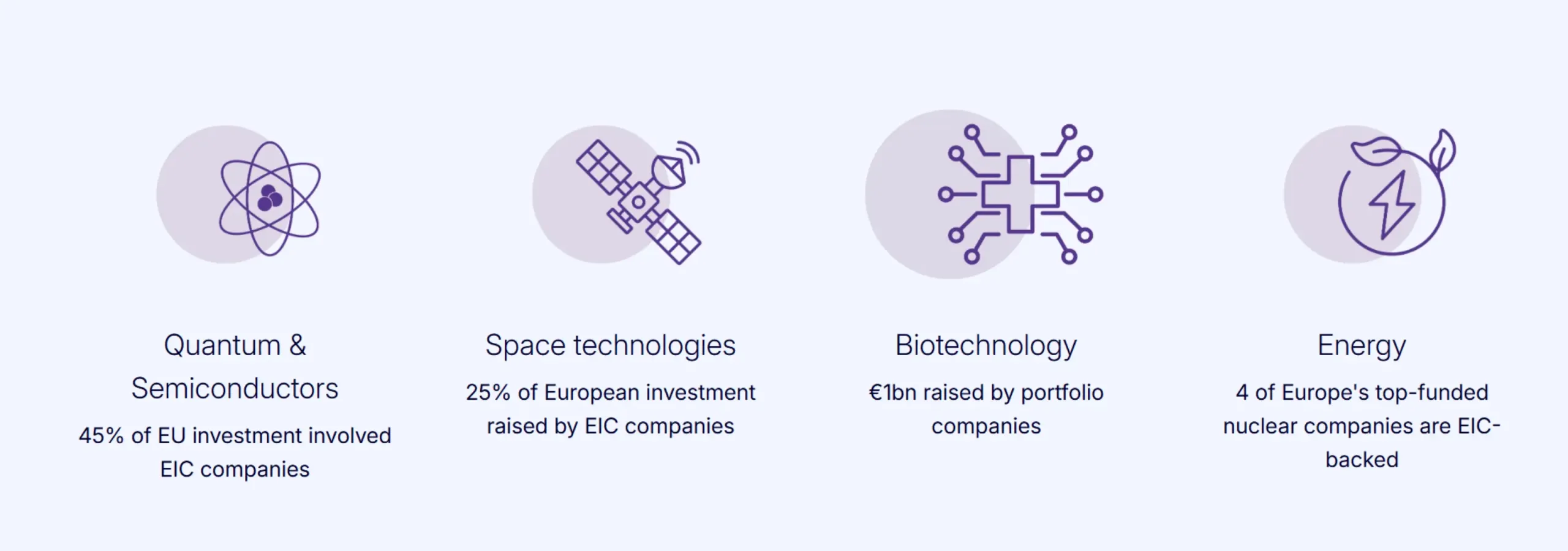
Keith Sequeira, Head of Unit at the European Commission’s European Innovation Council (EIC), pointed to a broader ambition. He noted that the EU has too often found itself behind the curve, playing catch up and waiting to see what the rest of the world does before it starts moving. The European Innovation Council is precisely designed to change that pattern: to take calculated risks on emerging technologies, to bring startups and new entrants into strategic conversations early, and to build ecosystems before windows of opportunity close.
As the discussions made clear, Europe's engagement in orbital data centres is at an early stage. The immediate task is to ensure that the right actors, across industry, research, policy, and finance, remain part of the conversation as the field develops and to explore advancements in the development of technological building blocks and potentially small demonstrator projects.
Those interested in orbital data centres and in-space digitalisation more broadly are invited to join the Orbital Data Centers hub within the EU Digital Space Ecosystem platform to follow developments, receive updates, and take part in ongoing exchanges, shaping together the way forward in this highly interesting topic.