UN Space Sustainability Days

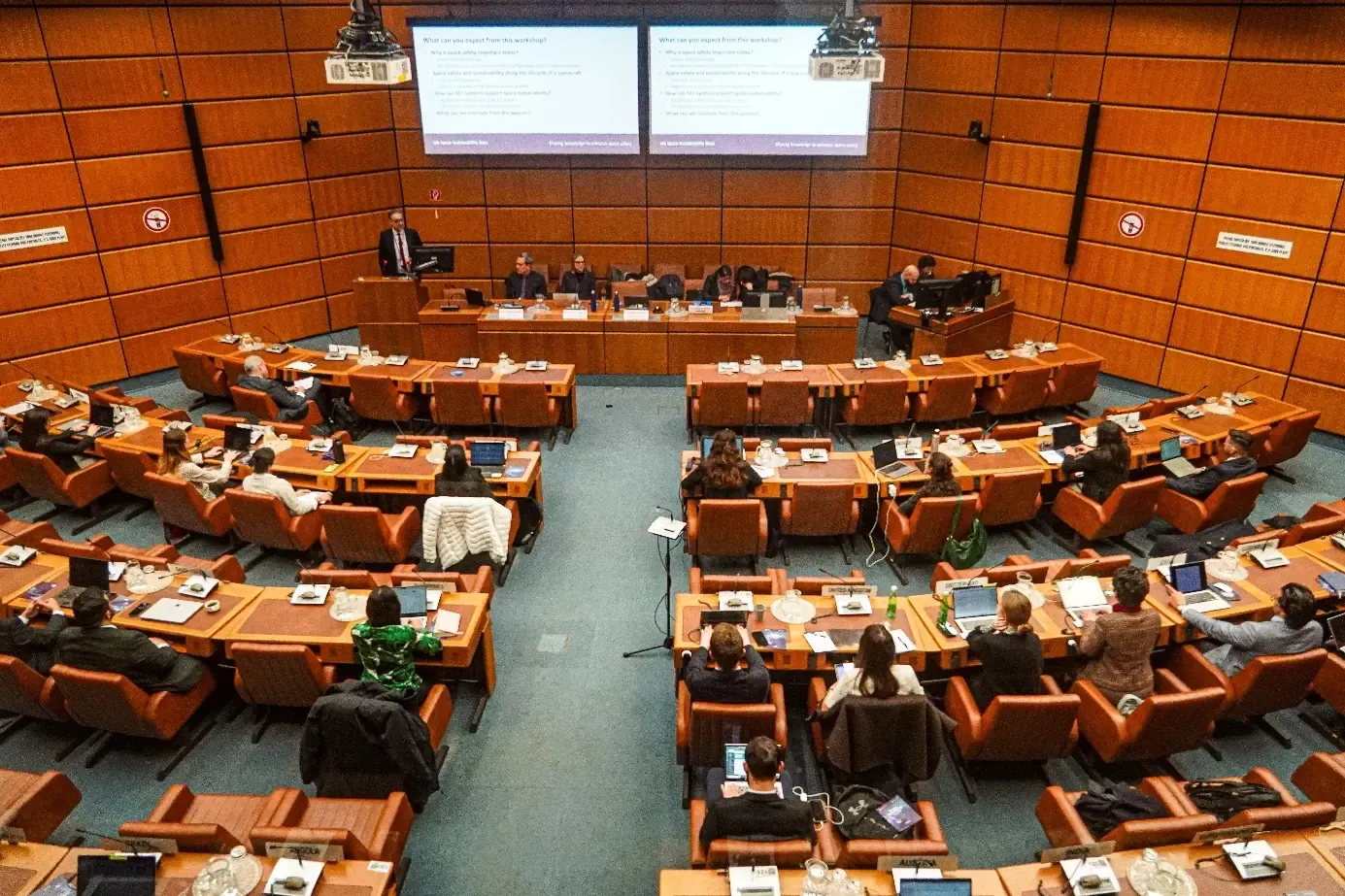
On 30-31 January 2025, DG DEFIS co-organised the first-ever UN Space Sustainability Days together with the United Nations Office for Outer Space Affairs (UNOOSA) in Vienna, Austria. The event gathered around 200 UNOOSA delegates onsite and online to discuss how to make space activities safer and more sustainable.
On day 1, two identical half-day SST capacity-building workshops organised by DG DEFIS with the support of the Spanish Space Agency on behalf of the EU SST Partnership and the EU Space Programme Agency (EUSPA) outlined theoretical aspects of space safety and sustainability.
Participants were guided through hands-on aspects of current space operations such as challenges arising from space congestion and the importance of implementing the UN Long-Term Sustainability Guidelines, space safety and sustainability along the lifecycle of a spacecraft, the purpose and components of a Space Surveillance and Tracking (SST) system, and the functioning and benefits of SST services, in particular Collision Avoidance. Participants onsite and online engaged actively in discussions on how to make space operations safer and more sustainable and how to enhance international collaboration.
Two identical half-day table-top exercises organised by The Aerospace Corporation ran in parallel to the workshops and illustrated the practical challenges of current space safety and sustainability based on two fictitious scenarios.
On day 2, UNOOSA supported by DG DEFIS and the Aerospace Corporation chaired a debrief session with participants outlining the main takeaways from day 1. Impressions of participants largely echoed the takeaways presented by the organisers, stressing in particular the need for clear communication channels and contact points, closer coordination among relevant actors as part of a bottom-up approach, and clear and timely information in order to maintain space safety and sustainability for all actors involved.
The main takeaways from the UN Space Sustainability Days fed into the discussions of the annual meeting of the Scientific and Technical Subcommittee (STSC) of the Committee on the Peaceful Uses of Outer Space (COPUOS) which took place in the two weeks following the UN Space Sustainability Days, thereby further shaping ongoing exchanges on space safety and sustainability on international level.

Background
DG DEFIS’ co-organisation of this event supports the implementation of avenue four on ‘promoting the EU STM approach globally’ of the EU approach on STM.
More information
Supporting Material
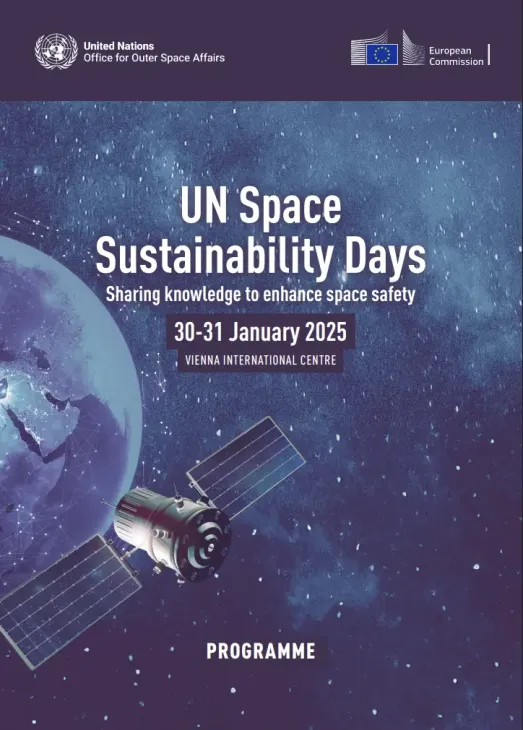
This Final Event Report outlines key information regarding the organisation and content of the first UN Space Sustainability Days organised by UNOOSA and the European Commission to enhance space safety and long-term sustainability (LTS) of outer space activities.
JOINT COMMUNICATION TO THE EUROPEAN PARLIAMENT AND THE COUNCIL An EU Approach for Space Traffic Management An EU contribution addressing a global challenge
An EU Approach for Space Traffic Management