
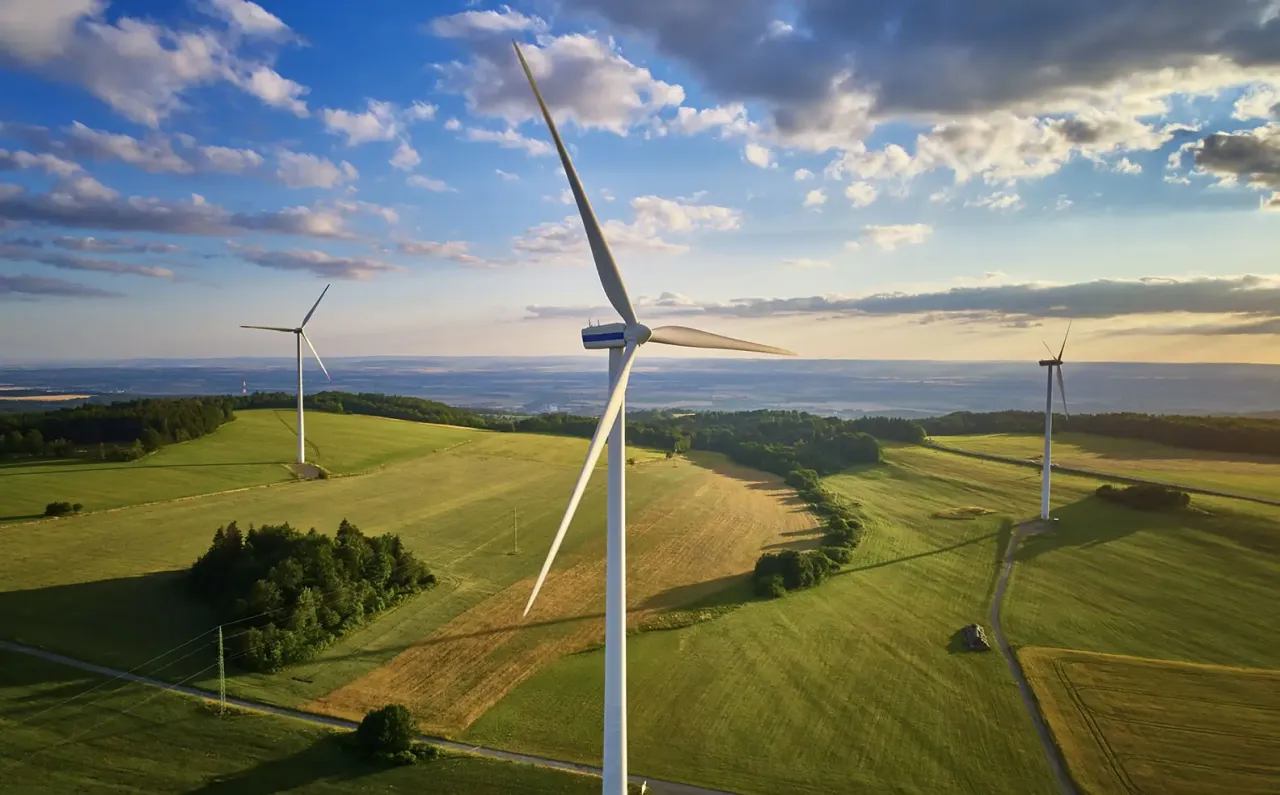
Energy and environment
The EU Space Programme plays a crucial role in supporting Europe's energy transition and environmental protection. Copernicus satellites and in situ sensors systematically monitor the Earth's land, atmosphere, and seas, providing essential data for climate monitoring, environmental assessment, and energy planning, while Galileo's precise positioning capabilities enable optimal site selection and monitoring for renewable energy infrastructure.
Space-based data and services are used to inform and implement EU environmental and climate policy, support the construction of greener infrastructure, promote smarter urban development, and assist in the build-out of renewable energy projects across Europe.
EU Space in energy and the environment
Facing up to the challenge facing our planet
Every moment counts when it comes to addressing man-made climate change. To help Europe respond to this global challenge, Galileo, EGNOS, and Copernicus provide a wealth of insights used to monitor greenhouse gas emissions, identify efficient placements for renewable energy infrastructure, promote sustainable food production, and deliver essential supporting services.
In addition to climate applications, Copernicus in particular serves as a key resource in monitoring environmental pollution. Copernicus services track the quality of our air, bodies of water, and the health of our land. Its data has directly supported initiatives to remove harmful elements from our ecosystems and to restore our wilderness.
Energy Operational Service
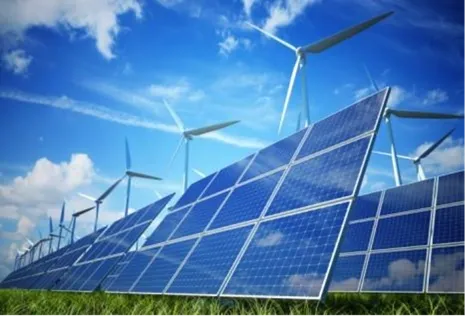
The Energy Operational Service delivers important information to the European energy sector, such as renewable energy planning and electricity demand forecasting. Specific information provided by its different services include, among others:
- Solar irradiance data, which helps plan and operate solar installations
- Historical reanalysis, seasonal forecasts, and climate projections for energy production optimisation
- Climate re-analysis datasets and projections to inform long-term energy infrastructure planning
Promoting energy for a greener era
(Diagram)
Renewable energy sources are growing ever more important in the fight against climate change. To meet the increasing demand for energy and to make informed decisions about where to build and how to manage renewable energy facilities, Europe relies on EU Space data. In particular, this includes data from:
- Galileo, which provides highly accurate and reliable ways to ensure successful and efficient smart grid operation. Galileo helps in mapping construction sites and enabling the use of drones for solar panel and wind turbine maintenance.
- Copernicus, which delivers a wealth of environmental data for renewable energy applications in wind, solar, marine and hydropower. Its data underpins forecasts and projections for planning and developing renewable energy projects.
RESPONDENT
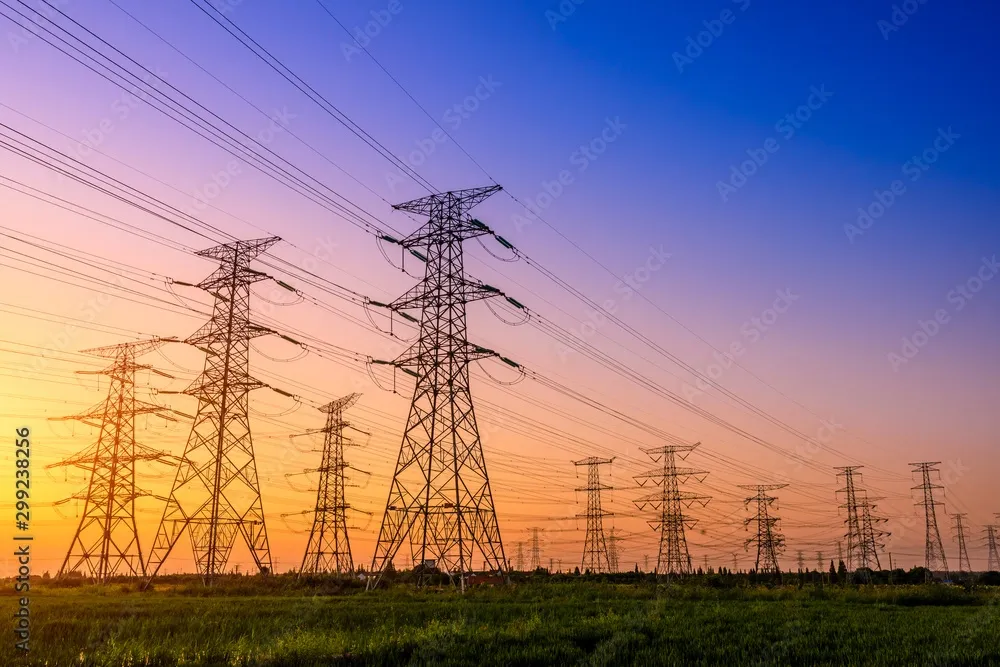
As Europe shifts to cleaner sources of energy, it needs the right forecasting tools for grid operators, energy traders, and policymakers to reliably predict energy generation and demand. The Horizon Europe-funded project RESPONDENT addressed this need by combining AI-powered forecasting models, data from Galileo and Copernicus, and real-time grid synchronisation.
The project illustrated how renewable energy sources could be integrated into Europe’s existing power grids while providing greater reliability than fossil fuels.
Shining a North Star for the EU’s green transition
How does EU Space specifically address individual EU environmental and energy policies? Here are three examples:
- EGNOS supports more sustainable air travel by enabling fuel-efficient flight approaches that reduce aviation CO₂ emissions, contributing to the aviation sector's broader decarbonization efforts alongside regulatory frameworks like the EU Carbon Offset and Reduction Scheme for International Aviation (CORSIA).
- Copernicus services support urban environmental monitoring and planning through air quality data from CAMS and urban land use information from CLMS, providing valuable insights for sustainable urban development and environmental compliance such as in the Energy Performance of Buildings Directive.
- EU Space supports the Renewable Energy Directive and RePowerEU through projects such as RESPONDENT, which use Galileo timing and synchronisation services for smarter grid operation and renewable energy integration.
Other sectors

The challenge of growing food sustainably is one of the greatest of this century. It will require using our resources in an environmentally friendly way – especially our soil and water.

When we say Copernicus is Europe’s eyes on Earth, we mean all of the Earth. It is able to observe nearly the entire surface of the globe, including its atmosphere, land, and ocean environments.

Water isn’t just essential for our health and the planet’s well-being - it’s the foundation around which we've built much of our society.

When lives are at stake, EU Space safety and security services play a key role. From forecasting drought risk to guiding humanitarian aid and response, each component of the EU Space Programme plays an important part in protecting communities.

Thanks to navigation systems like Galileo and EGNOS, it’s never been easier to find cultural sites and events at home and abroad. Space-based solutions can also support conservation and preservation efforts for historically or culturally significant sites.

The way we live and move is increasingly shaped by insights and technologies from the EU Space Programme.