
The challenge of growing food sustainably is one of the greatest of this century. It will require using our resources in an environmentally friendly way – especially our soil and water.
EU Space is enabling exactly the kinds of ecologically-sound farming methods that are key to ensuring food security and our ability to feed the world.
EU Space in agriculture and food security
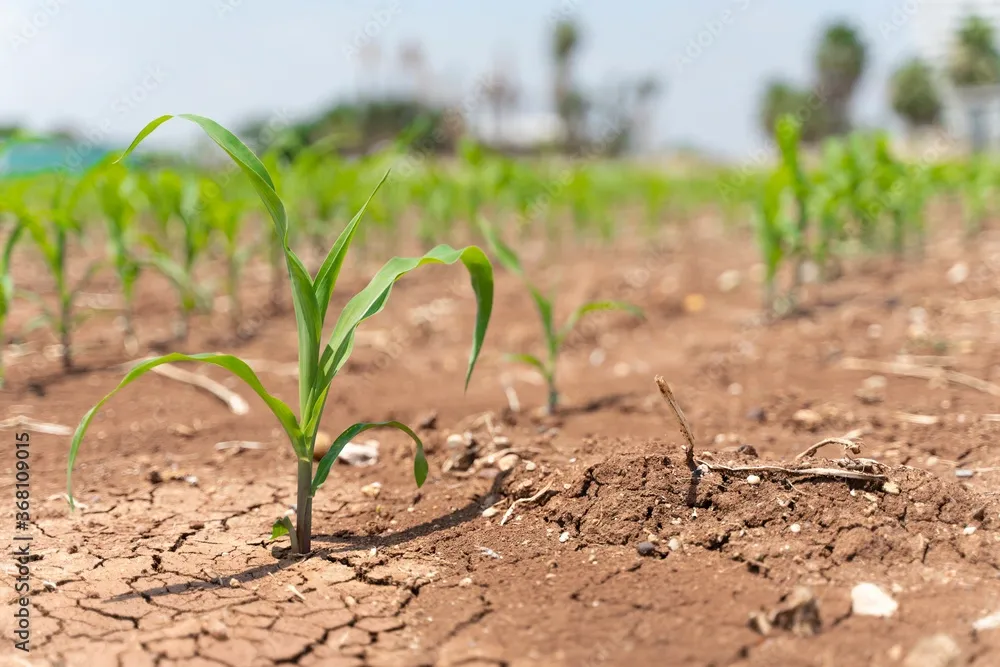
A farm for a greener and more digital age
Copernicus allows farmers to remotely monitor the performance of their crops, with insights into their use of resources and overall vegetation health. Copernicus drought monitoring services provide farmers the warnings they need to anticipate droughts, while its soil monitoring and grassland condition data will be key to maintaining regenerative farming and pastoral practices.
Galileo and EGNOS navigation data, meanwhile, is boosting the precision and efficiency of new technology such as drones and robots, which are increasingly taking on complex agricultural tasks. Indeed, Galileo already delivers high accuracy guidance for farming, with authentication services to prevent disruptions to farming operations.
MAGDA
This Horizon Europe-funded project worked to improve weather forecasts and irrigation advisories for farmers. Its full name hints at its purpose: Meteorological Assimilation from Galileo and Drones for Agriculture. It sought to improve the toolchain for atmosphere monitoring, weather forecasting, and severe weather monitoring using Galileo data to inform agricultural operators.
With climate change expected to increase the frequency and intensity of extreme weather events in Europe, MAGDA’s work will help protect crops from the impacts of these events while decreasing food loss and water consumption.
Abundant food while reducing waste
The combination of Copernicus, Galileo, and EGNOS data is projected to help reduce the use of fertilisers and pesticides by as much as 20%, while increasing crop yields by more than 10%. Thanks to their ability to determine where to use resources such as water and fertilisers as effectively as possible, they are enabling precision farming and better farmland management. Space-based data is vital to reducing Europe’s reliance on imported and unsustainable food.
The benefits of EU Space data aren't just for Europe. Its data can be used to address global food insecurity, with the benefits it provides to farmers in Europe extendable to the rest of the world as a key part of EU international assistance and cooperation.
SPACE4GREEN
With the rise of precision farming, it’s equally important to be just as precise about how our food goes from the field to our table. The SPACE4GREEN project was designed to help stakeholders make informed decisions every step of the way.
The project combines EU Space data with blockchain technology to enable users to authenticate where their food comes from and whether it is safe and sustainably grown.
Data feeding the beating heart of EU agricultural policy
The EU has bold ambitions for transforming its agri-food sector. Achieving these goals will require robust and comprehensive data to support the most sustainable choices. Here are some examples of how EU Space helps:
- Copernicus, EGNOS, and Galileo support the EU’s Common Agricultural Policy (CAP), where they contribute to monitoring and implementation, supporting directly to ‘eco-schemes’ like circular agriculture and restoring wetlands and peatlands.
- EU Space delivers data on soil moisture, organic matter, and crop status to the EU Soil Observatory, which underpins the EU Soil Monitoring Law and Europe’s push to restore soil health by 2050.
EU Space data informs EU climate policies and helps advance the EU Green Deal by providing Earth Observation capabilities that support simulations of crop responses to climate change-induced stress and assessments of adaptation strategies.
Other sectors
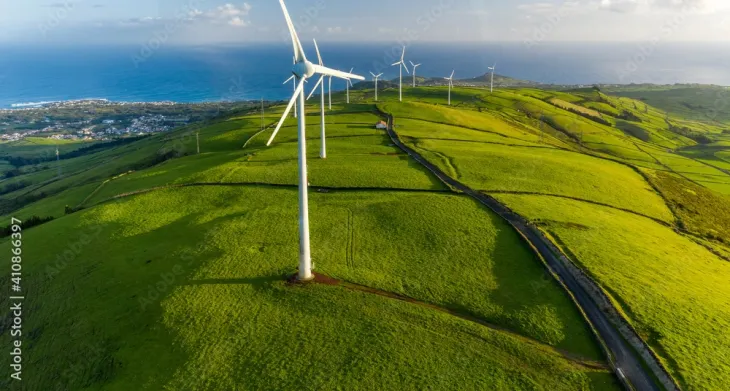
The EU Space Programme plays a crucial role in supporting Europe's energy transition and environmental protection.
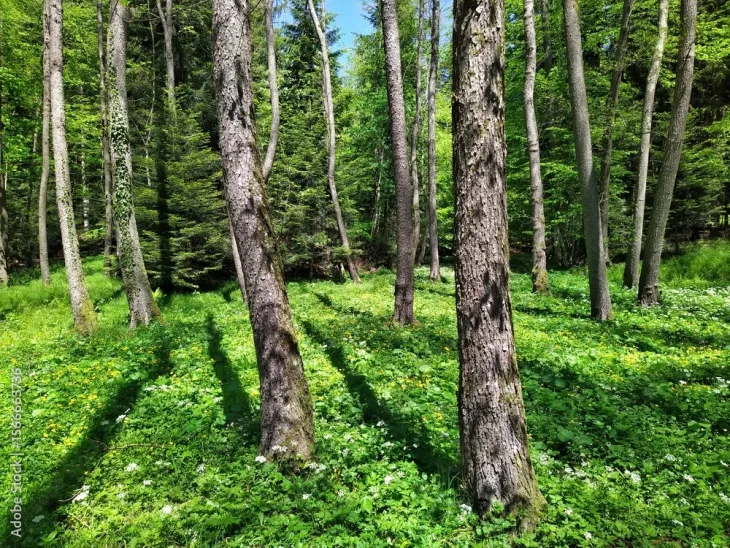
When we say Copernicus is Europe’s eyes on Earth, we mean all of the Earth. It is able to observe nearly the entire surface of the globe, including its atmosphere, land, and ocean environments.

Water isn’t just essential for our health and the planet’s well-being - it’s the foundation around which we've built much of our society.
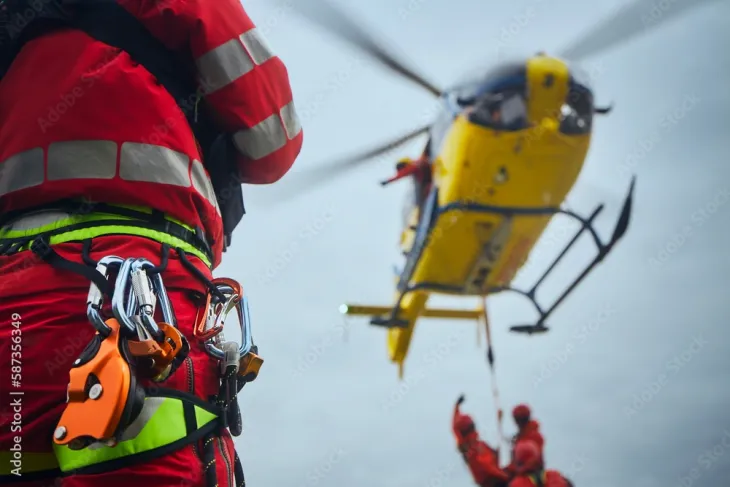
When lives are at stake, EU Space safety and security services play a key role. From forecasting drought risk to guiding humanitarian aid and response, each component of the EU Space Programme plays an important part in protecting communities.
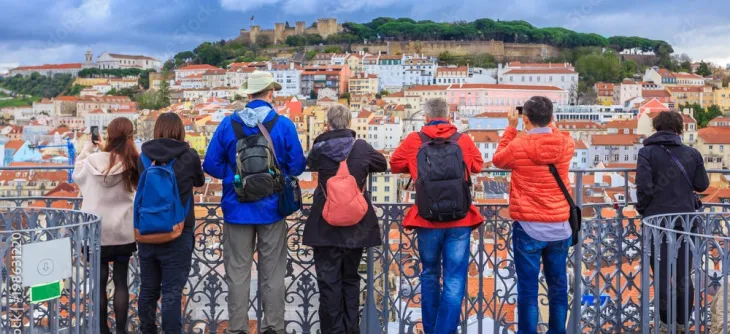
Thanks to navigation systems like Galileo and EGNOS, it’s never been easier to find cultural sites and events at home and abroad. Space-based solutions can also support conservation and preservation efforts for historically or culturally significant sites.
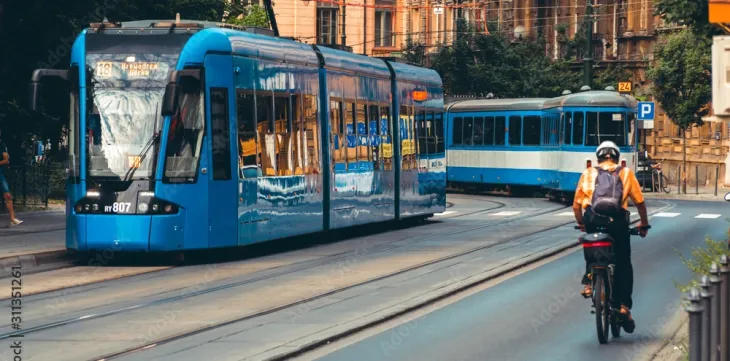
The way we live and move is increasingly shaped by insights and technologies from the EU Space Programme.