
Thanks to navigation systems like Galileo and EGNOS, it’s never been easier to find cultural sites and events at home and abroad. Space-based solutions can also support conservation and preservation efforts for historically or culturally significant sites.
EU Space data is now supporting cutting-edge digital technologies like AI and digital twins, unlocking entirely new user experiences across the globe.
EU Space in tourism and culture
Preparing the tourism industry for a warmer world
Copernicus’ continuous observations on climate change and the environment are proving to be invaluable for the tourism sector’s seasonal planning. It provides reliable data on factors such as snowfall, sunlight, pollution, fires, floods, and harmful algae blooms, which can vary widely from one year to the next.
These factors don’t just affect our holiday: they can also damage our shared heritage. EU Space data is helping public authorities implement measures to protect both tourists and the fragile (and vital) natural ecosystems they visit. Copernicus services have provided essential support to countries around the world on cultural heritage monitoring. Their data delivers useful information on the long-term evolution of these important sites and their surroundings, as well as the risks they face from environmental changes and human activities.
Weather, Climate, and ENvironmental information for Tourism (WeCENT)
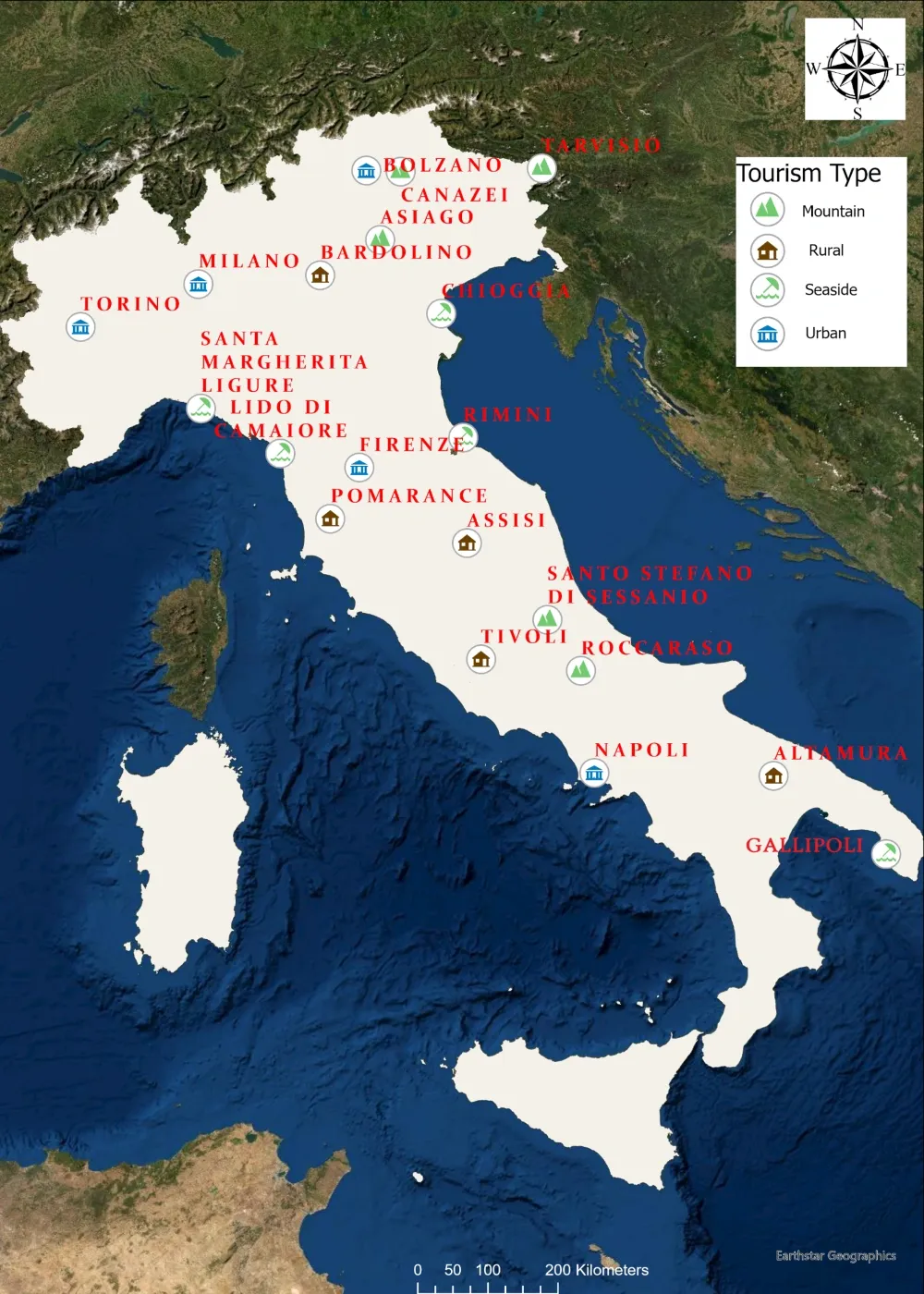
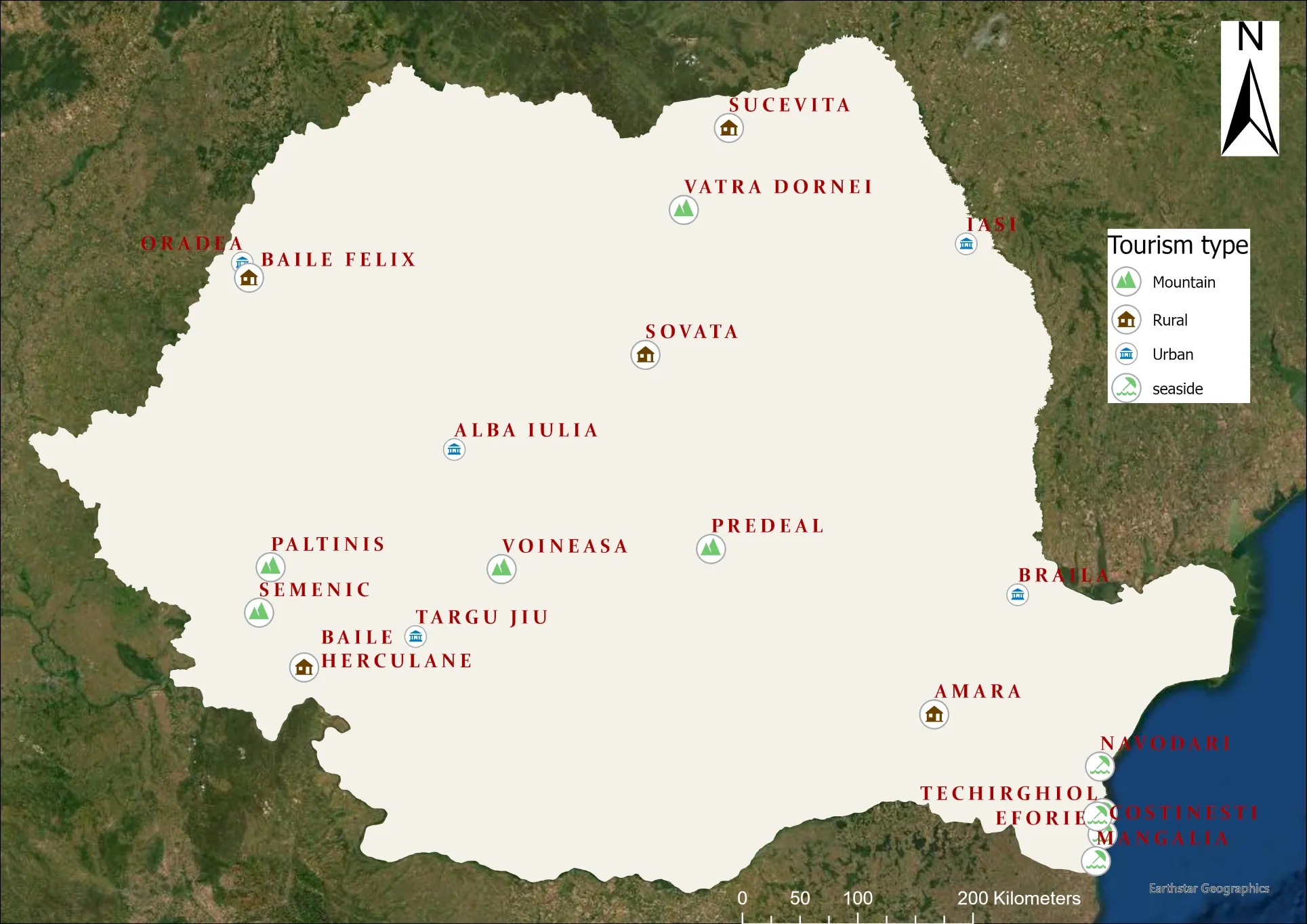
The Horizon Europe-funded WeCENT project developed tailored climate and environmental information for the tourists in urban, rural, mountain, and beach destinations in Italy and Romania.
WeCENT was able to translate data from Copernicus into easy-to-use information for tourists based on their destination and season in which they visited.
A building block for virtual worlds
Digital twins are dynamic, virtual representations of a physical object, area, or system. They can three-dimensionally recreate their real-world counterpart with real-time data integration and simulations. EU Space data informs the development of digital twins designed to help us explore the impacts of trends in natural and human activity on our planet, anticipate extreme events, and adapt policies to climate-related challenges. A major example is Destination Earth, for which Copernicus data is helping to create a complete digital replica of our planet.
Digital models underpinned by Copernicus data are used in the tourism industry to help site managers better plan their daily operations and conservation activities. Furthermore, game developers use Copernicus to create photo-realistic replicas of real locations for video game textures and terrain models.
Preserving our past with Copernicus
EU Space might be contributing to a more digital future, but did you know it also helps preserve our past?
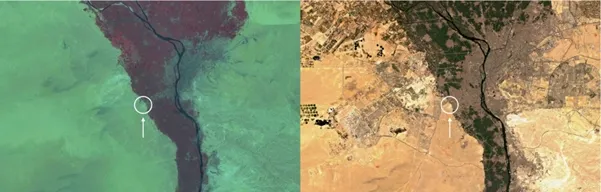
Archaeologists and public authorities use Copernicus mapping products to monitor cultural sites for signs of degradation. This helps them act quickly and efficiently to preserve sites which are significant to human heritage.
Expanding our perspective on Europe’s cultural heritage
EU Space data contributes in many ways to European tourism and culture policies, from the local to the EU level. Here are a few examples:
- The Copernicus Cultural Heritage Task Force recommends sustainable actions and strategies for how Copernicus can be integrated into cultural heritage management.
- The Climate Suitability for Tourism and Mountain Tourism Meteorology and Snow Indicators from the Copernicus Climate Change Service directly inform local tourism strategies.
Copernicus satellite data also supports UNESCO and EU efforts to monitor, evaluate, and protect cultural heritage sites worldwide by monitoring land use changes, urban expansion, or environmental threats.
Expanding our perspective on Europe’s cultural heritage
EU Space data contributes in many ways to European tourism and culture policies, from the local to the EU level. Here are a few examples:
- The Copernicus Cultural Heritage Task Force recommends sustainable actions and strategies for how Copernicus can be integrated into cultural heritage management.
- The Climate Suitability for Tourism and Mountain Tourism Meteorology and Snow Indicators from the Copernicus Climate Change Service directly inform local tourism strategies.
Copernicus satellite data also supports UNESCO and EU efforts to monitor, evaluate, and protect cultural heritage sites worldwide by monitoring land use changes, urban expansion, or environmental threats.
Other sectors

The challenge of growing food sustainably is one of the greatest of this century. It will require using our resources in an environmentally friendly way – especially our soil and water.
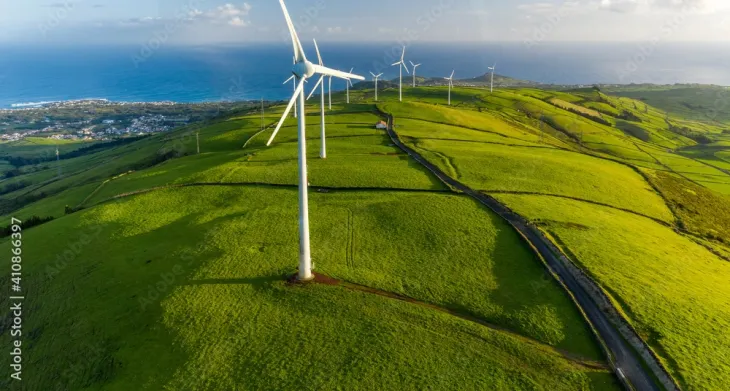
The EU Space Programme plays a crucial role in supporting Europe's energy transition and environmental protection.
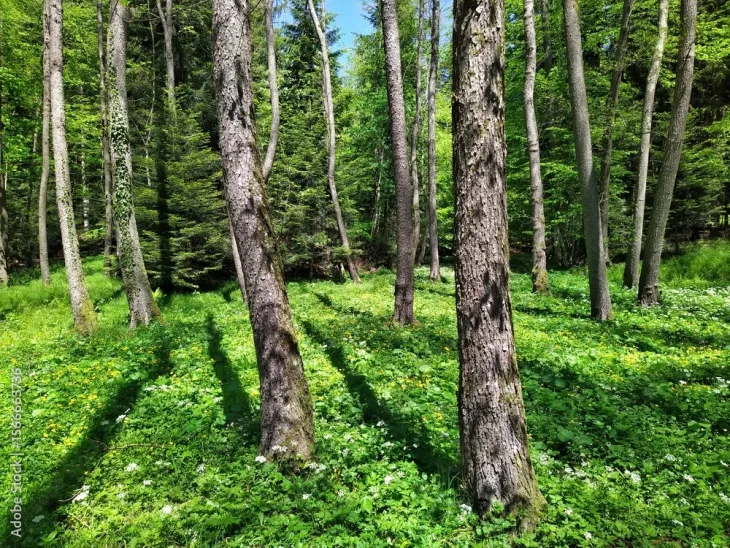
When we say Copernicus is Europe’s eyes on Earth, we mean all of the Earth. It is able to observe nearly the entire surface of the globe, including its atmosphere, land, and ocean environments.
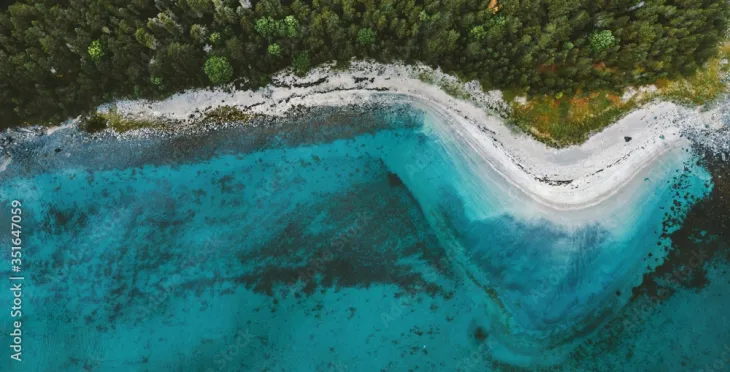
Water isn’t just essential for our health and the planet’s well-being - it’s the foundation around which we've built much of our society.

When lives are at stake, EU Space safety and security services play a key role. From forecasting drought risk to guiding humanitarian aid and response, each component of the EU Space Programme plays an important part in protecting communities.

The way we live and move is increasingly shaped by insights and technologies from the EU Space Programme.