
When we say Copernicus is Europe’s eyes on Earth, we mean all of the Earth. It is able to observe nearly the entire surface of the globe, including its atmosphere, land, and ocean environments.
The EU Space Programme is driving forward our understanding of the Earth’s environments as well as our ability to address the damage induced by a changing climate. This includes restoring biodiversity, a key planetary resource.
EU Space in forestry and biodiversity
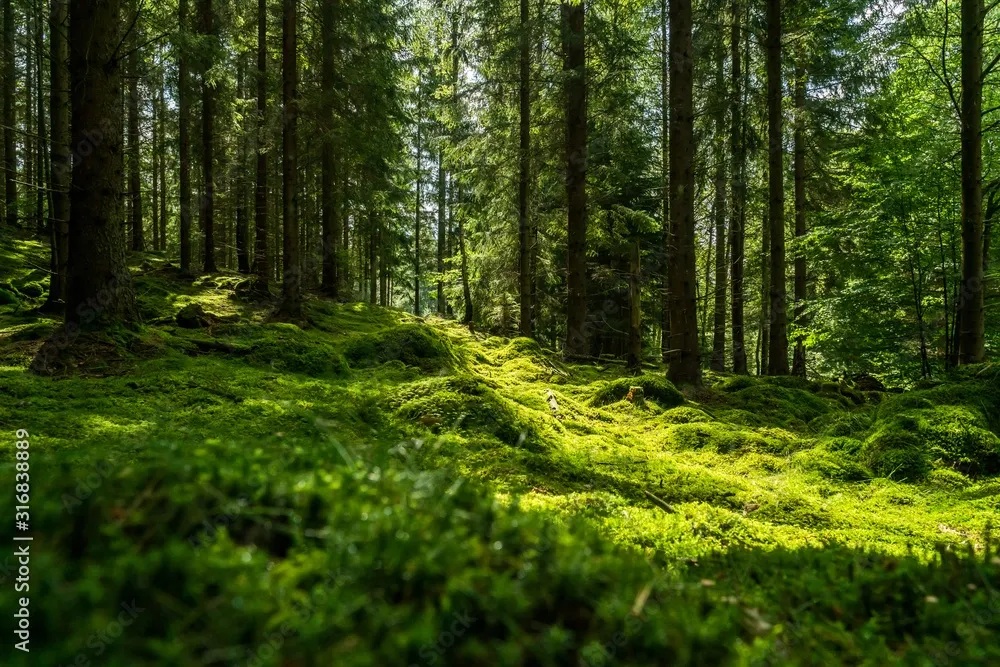
Protecting our planet’s forests
The data on forests supplied by EU Space is used by forest managers and operators throughout Europe. The combined insights from the EU Space components allow stakeholders to monitor even the most remote areas for signs of illegal activity or changes in forest and biodiversity health.
- Copernicus monitors the health of forests and can detect and track forest fires, deforestation, and illegal logging.
- Galileo and EGNOS data, when combined with Copernicus data, can be used to accurately track deforestation and support precision forest management, tree planting, and responsible timber harvesting.
100KTREES
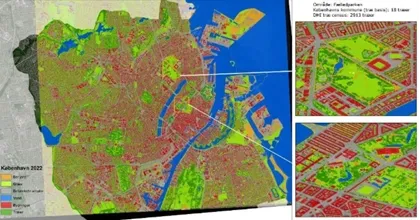
The EU’s Horizon Europe 100KTREES project works to make cities healthier places to live.
It uses data provided by Copernicus to map and model tools that help cities plant trees more efficiently. This helps cities:
- Optimise air quality
- Preserve biodiversity
- Fight noise pollution
- Protect against floods
- Mitigate the impacts of climate change
Checking up on the health of life on Earth
(Images of valuable European wildlife)
Humanity is dependent on the richness of a biodiverse planet. The wealth and beauty of our ecosystems depend on protecting the species which call them home.
Copernicus provides invaluable data for these activities. The range of its data supports all kinds of organisations, from informing businesses how their operations affect ecosystems to driving government conservation efforts.
From mitigating over-fishing and restoring wetlands to tracking pollutants, the list of ways in which Copernicus helps protect biodiversity is nearly endless.
European Biodiversity Observation Network (EU BON)
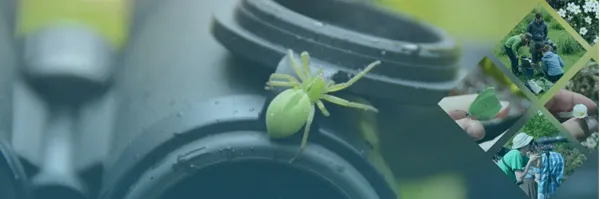
EU-funded researchers are combining Copernicus data with other sources of data on nature to build the most comprehensive understanding of the state of Europe’s biodiversity. As a network of partners from 18 countries, EU BON delivered relevant data analyses on biodiversity to better inform policy makers from the local to the international level.
Conserving the planet requires better understanding it
EU Space provides invaluable data for the EU and EU Member States’ ability to meet their forestry and biodiversity goals. Here are just some examples of major policies EU Space Programme data supports:
- Copernicus is a key part of the EU Forestry Strategy for 2030, where space-based Earth Observation data will be used to evaluate the strategy’s effectiveness.
- Copernicus supports the Regulation on Land Use, Land Use Change, and Forestry (LULUCF) to help EU Member States enforce environmental policies.
- Copernicus provides key indicators on variables (many of which can be measured exclusively from space) to measure biodiversity and biodiversity loss in support of European environmental objectives and regulations like the EU Biodiversity Strategy for 2030 and the Natura 2000 network.
Other sectors

The challenge of growing food sustainably is one of the greatest of this century. It will require using our resources in an environmentally friendly way – especially our soil and water.
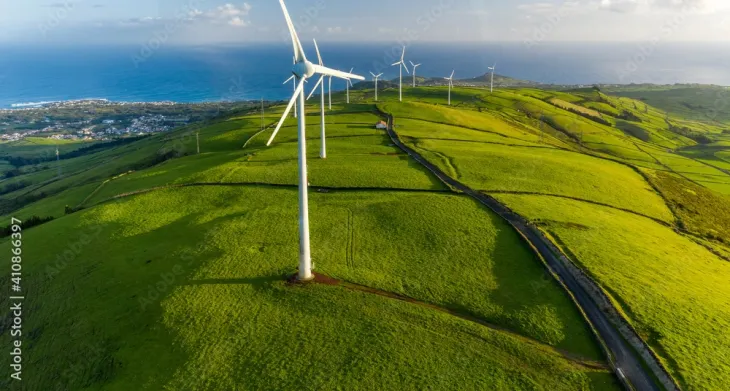
The EU Space Programme plays a crucial role in supporting Europe's energy transition and environmental protection.

Water isn’t just essential for our health and the planet’s well-being - it’s the foundation around which we've built much of our society.

When lives are at stake, EU Space safety and security services play a key role. From forecasting drought risk to guiding humanitarian aid and response, each component of the EU Space Programme plays an important part in protecting communities.

Thanks to navigation systems like Galileo and EGNOS, it’s never been easier to find cultural sites and events at home and abroad. Space-based solutions can also support conservation and preservation efforts for historically or culturally significant sites.
The way we live and move is increasingly shaped by insights and technologies from the EU Space Programme.