
Space Situational Awareness (SSA)
Europe’s eyes on space
SSA in a nutshell
The Earth’s atmosphere is getting crowded, with millions of debris and thousands of satellites already in space, and thousands of new satellites expected to be launched in the next 10 years. The resulting congestion puts space assets at risk: a collision could damage or destroy a satellite and interrupt the services it provides for us here on Earth.
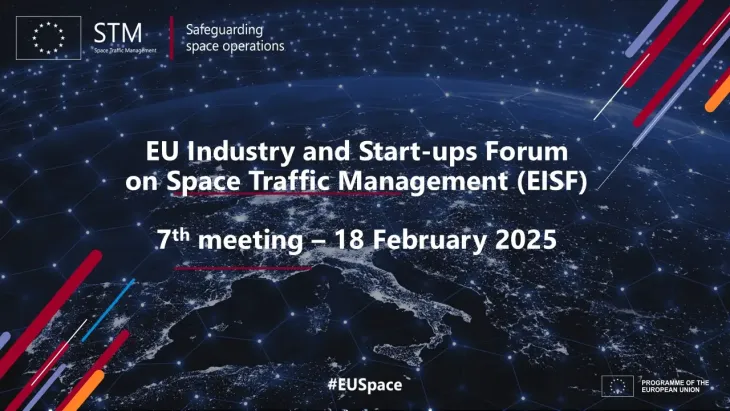
That’s why the EU works on keeping space safe, accessible, and sustainable. Its approach for Space Traffic Management (STM) aims to keep space operations safe, space orbits usable, and space accessible for decades to come while supporting and strengthening the competitiveness of the EU industry.
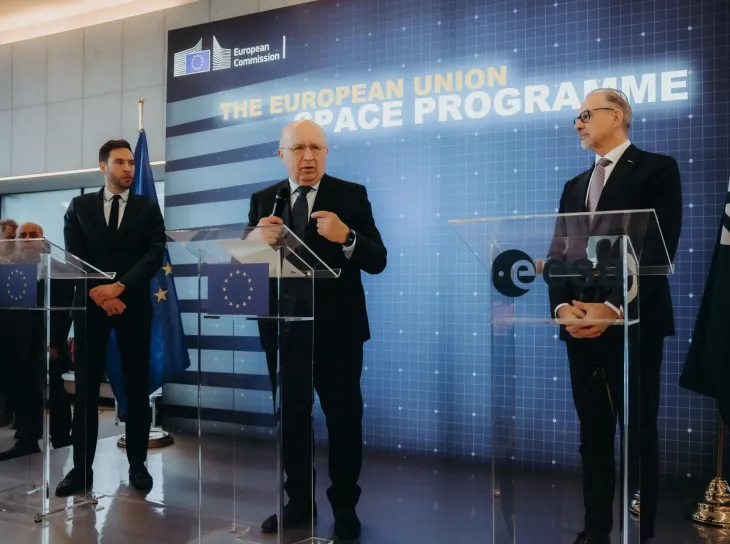
Mirroring the four avenues of the EU STM approach, the Stakeholder Mechanism on Space Traffic Management (STM) consists of one main group and four subgroups and gathers ideas and contributions to implement the ten STM actions.
The main group, co-chaired by DG DEFIS and EEAS and composed of EU Member States, coordinates and supervises the work of the subgroups.


Materials
Space Situational Awareness subcomponents
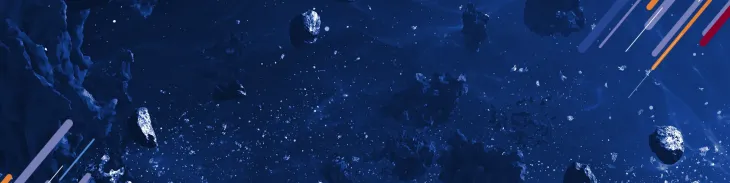
Space rocks such as comets and asteroids approach the Earth and enter the Earth’s atmosphere regularly. The EU supports activities that help to study and track those space rocks to better understand possible risks.
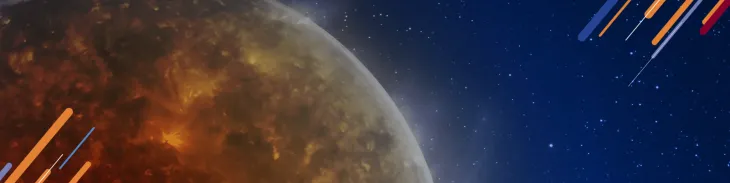
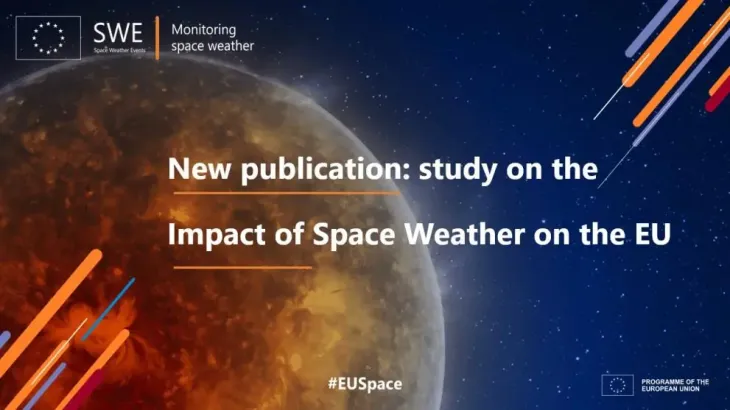
Geomagnetic storms and solar flares can harm satellite electronics in space and impact electricity grids on Earth. Understanding the effects of space weather is key to mitigate the risks associated with them.
The SST subcomponent protects satellites from collisions in space, monitors their re-entries into Earth’s atmosphere, and assesses in-orbit fragmentations