
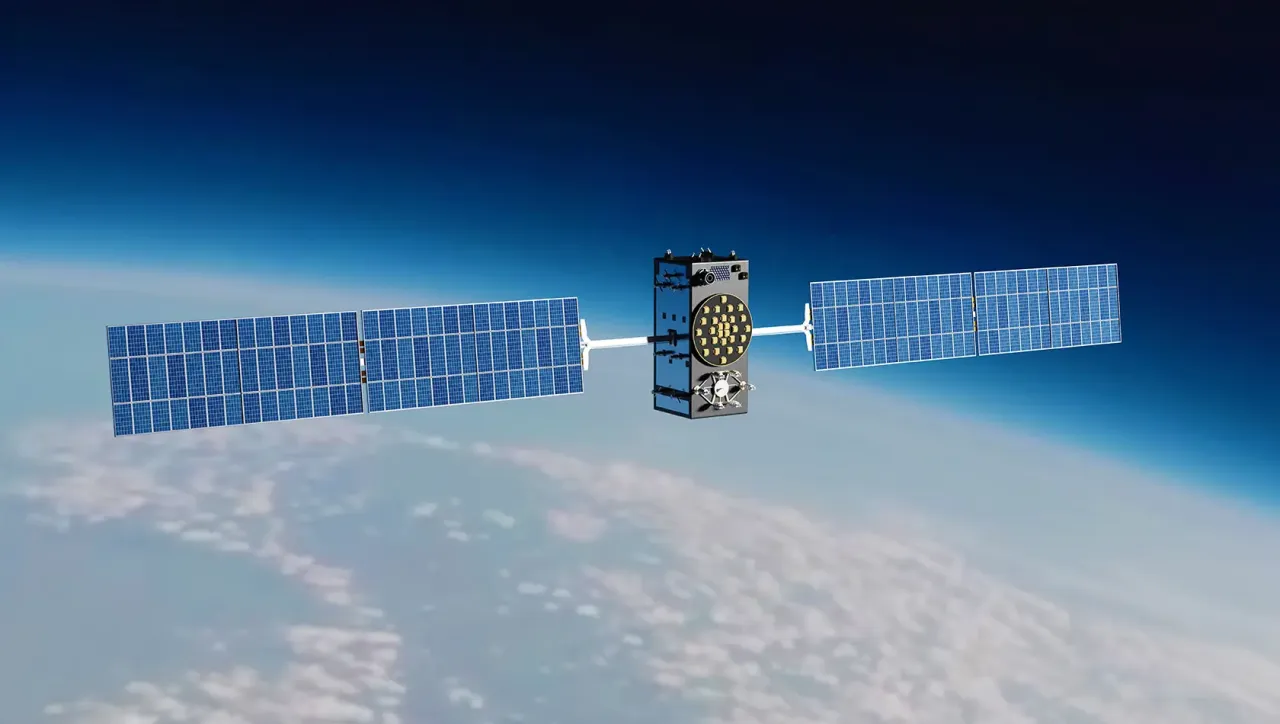
Preserving safety of life with Galileo’s SAR service
Each year, EU Space data and services help rescue 2 000 people in distress. Part of that number is made possible thanks to the integration of the Galileo’s Search and Rescue (SAR) service into the Global Cospas-Sarsat Programme, a network designed to detect distress beacons, for example those carried by sailors stuck in stormy seas or hikers in remote mountain ranges anywhere on Earth. Galileo SAR contributes significantly to international search and rescue coordination with its ability to precisely locate distress beacons, especially in remote areas. . Galileo SAR contributes significantly to international search and rescue coordination with its ability to precisely locate distress beacons, especially in remote areas.
Key figures
saved each year with EU Space contributions to the Global Cospas-Sarsat Programme
that’s how quickly rescuers can detect a distress beacon
The challenge
Whether you find yourself lost at sea or in remote wilderness, during rescue operations, every minute counts. Making sure that rescue teams can locate people in distress as quickly as possible is key to ensuring their safety.
The solution
With a combination of its Medium Earth Orbit (MEO) satellite configuration, advanced signal design, highly stable atomic clocks, and a robust global ground segment, Galileo is able to provide positioning information with around 1 metre accuracy. Moreover, Galileo provides a Return Link Service, so people in distress are informed when their SOS has been received and help is on the way.
With this service, Galileo is also the largest single contributor to the international Cospas-Sarsat system. Once a beacon is activated, its signal is sent to the nearest Rescue Coordination Centre and help is dispatched.
Results and impacts
Galileo’s contribution to Cospas-Sarsat marked a major improvement in coverage and responsiveness. It enables near-real-time detection – less than ten minutes in most cases – which is much faster than other constellations. Thanks to its Return Link Service, Galileo users are informed when their distress signal is received and their position is computed.