

EU Space
The EU Space programme delivers services that make your life easier, safer, and more sustainable. Space activities serve communities around the world, promoting smart solutions and helping us to protect our planet.
Eu Space Programme
EU Space highlights
Space is increasingly central to the EU's security, resilience, and economic future. Against that backdrop, EU Space Days 2026 brought together senior EU decision-makers, industry leaders, start-ups, and researchers in Nicosia, Cyprus, for two days of high-level discussions on the state and direction of Europe's space endeavours.
As the global race for computing power and cloud storage intensifies, the frontier for data processing may lie not on the ground, but in orbit. Orbital Data Centres (ODCs) represent a potential new capacity for the European space ecosystem and a building block of a larger in-space economy.
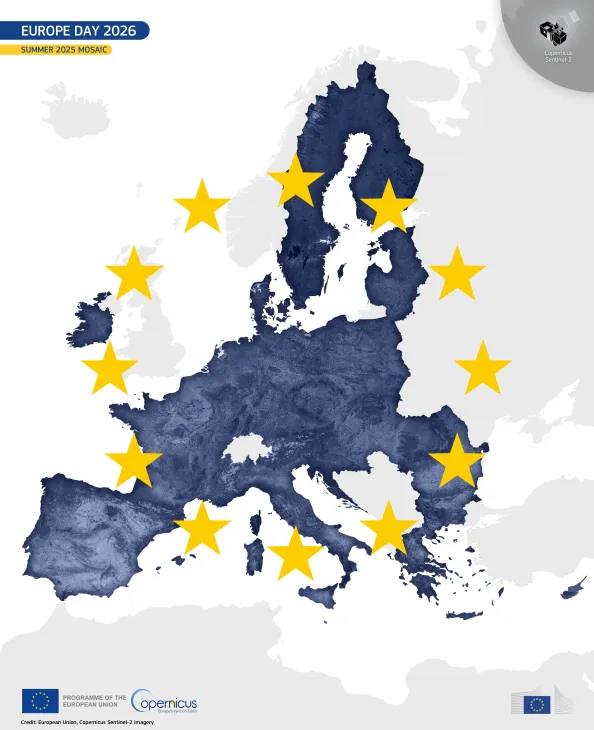
The EU space policy and programmes support a wide range of services used across Europe every day. In this Observer, we explore how the EU space policy and programmes support people, public authorities, businesses, and critical infrastructure across Europe.
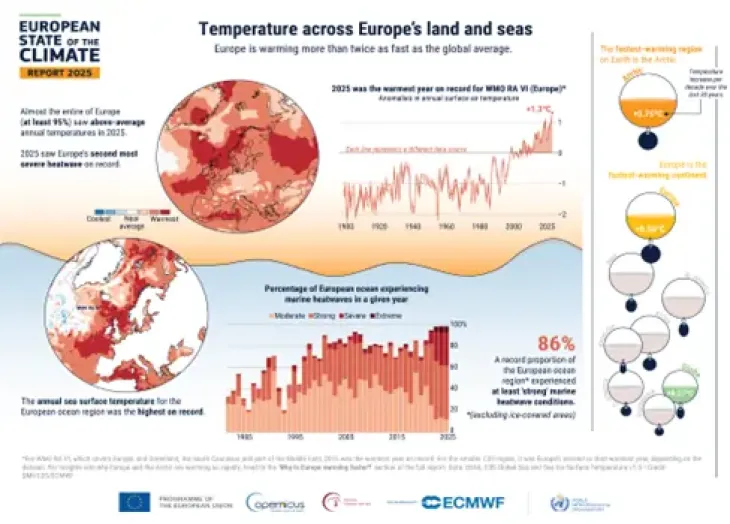
Europe faced another year of exceptional climate extremes in 2025, with almost the entire continent recording above-average annual temperatures. The European State of the Climate (ESOTC) 2025 report, produced by Copernicus C3S and the World Meteorological Organization (WMO), highlights a continent undergoing rapid change.
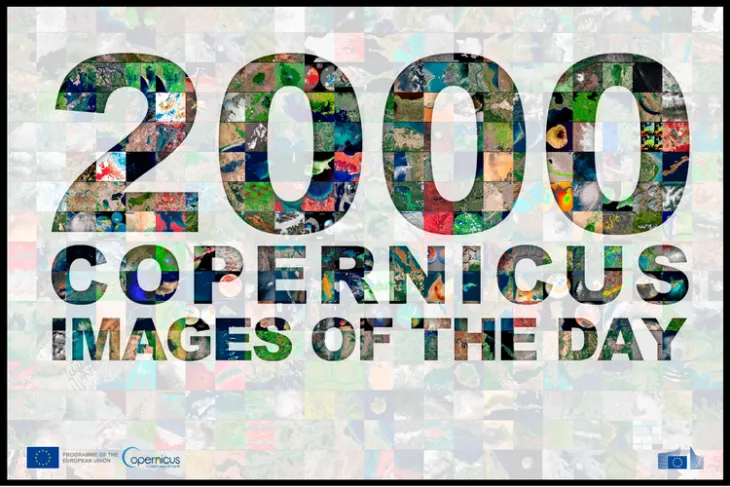
Since its launch on 2 April 2020, the Copernicus Image of the Day (IOTD) has published, 365 days a year, a daily image based on Copernicus data, highlighting significant environmental, meteorological, climate- or disaster-related phenomena, and the shifting state of our planet's land, sea, and atmosphere. Over six years, the series has reached...
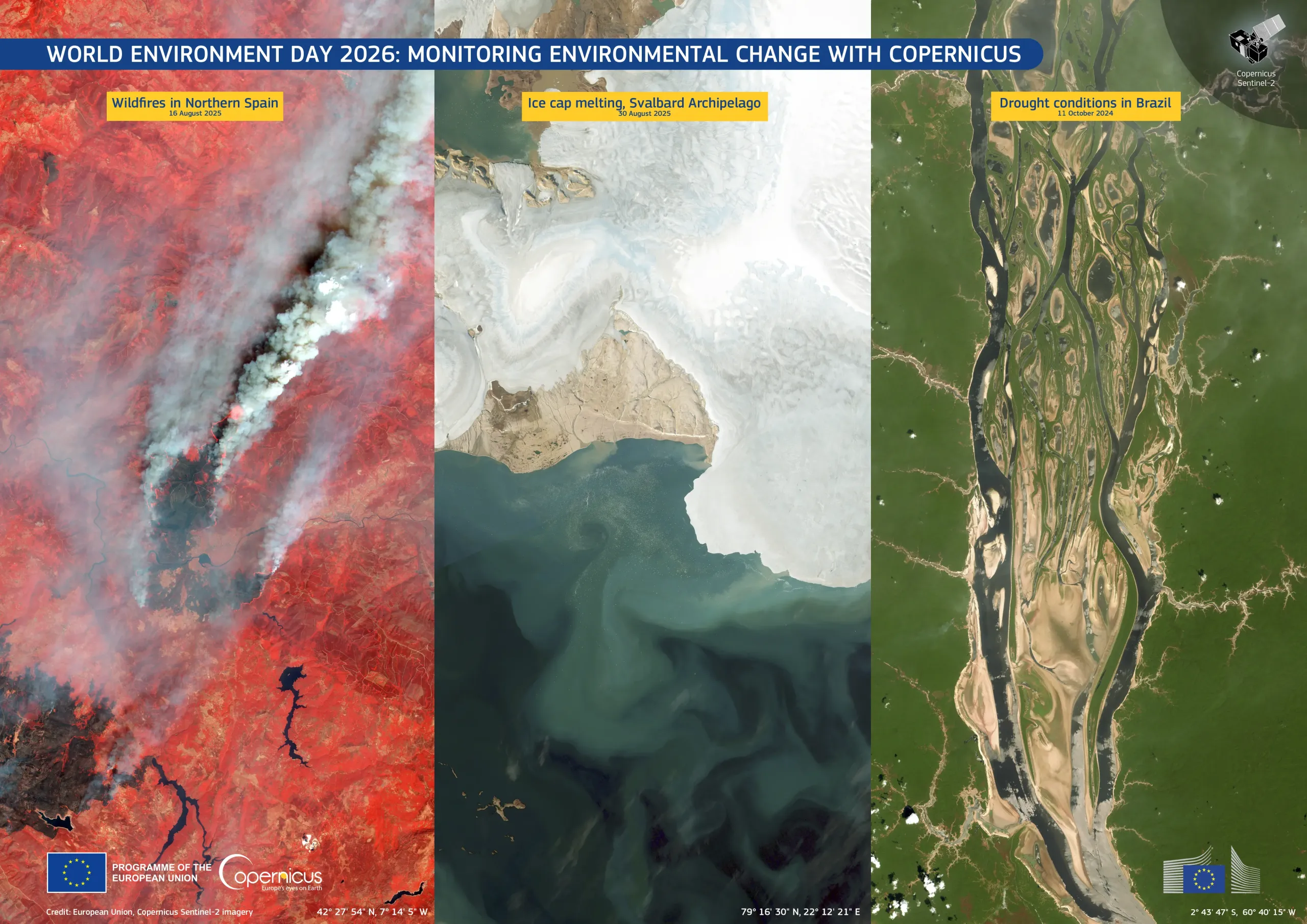
![Download [WEBP, 1.01 MB]](https://eu-space.europa.eu/sites/default/files/2026-06/20260605_World%20Environment%20Day.webp)
Sectors
Curious about what the different EU Space Programme components do for us on a daily basis?
Check out how we serve different sectors:

The challenge of growing food sustainably is one of the greatest of this century. It will require using our resources in an environmentally friendly way – especially our soil and water.
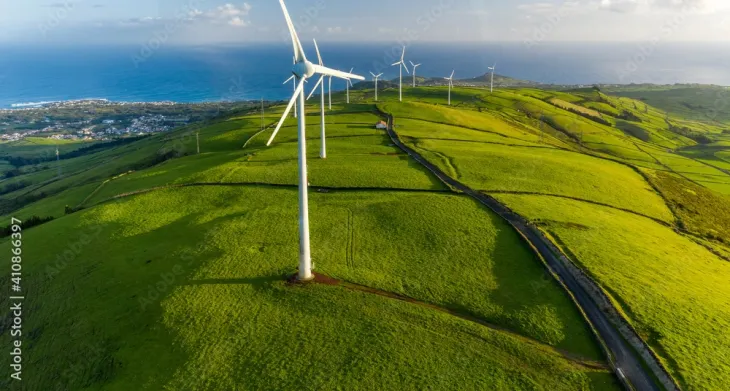
The EU Space Programme plays a crucial role in supporting Europe's energy transition and environmental protection.

When we say Copernicus is Europe’s eyes on Earth, we mean all of the Earth. It is able to observe nearly the entire surface of the globe, including its atmosphere, land, and ocean environments.

Water isn’t just essential for our health and the planet’s well-being - it’s the foundation around which we've built much of our society.
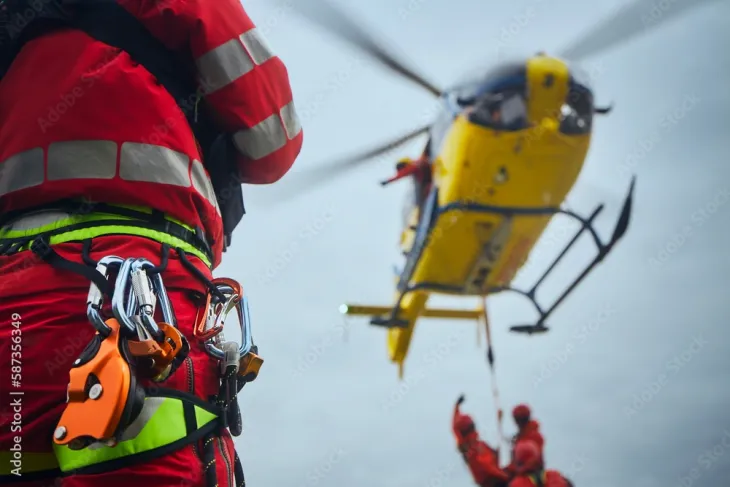
When lives are at stake, EU Space safety and security services play a key role. From forecasting drought risk to guiding humanitarian aid and response, each component of the EU Space Programme plays an important part in protecting communities.
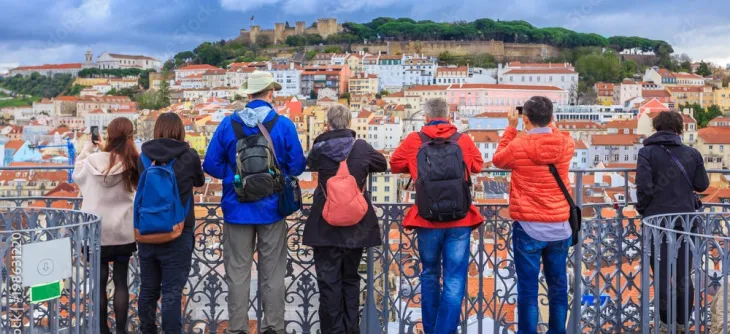
Thanks to navigation systems like Galileo and EGNOS, it’s never been easier to find cultural sites and events at home and abroad. Space-based solutions can also support conservation and preservation efforts for historically or culturally significant sites.
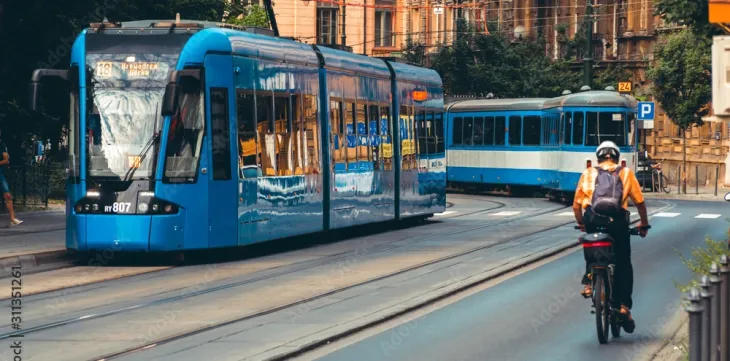
The way we live and move is increasingly shaped by insights and technologies from the EU Space Programme.