
Space weather events are changes in the space environment caused by solar activity, including solar flares, coronal mass ejections, and variations in the solar wind and magnetic fields. The most visible effects of space weather on Earth are the Aurora Borealis.
Space weather can affect systems in orbit and on Earth: radiation storms can harm satellite electronics and make them unusable, and geomagnetic storms can increase drag affecting satellite paths making it harder to coordinate space traffic. In extreme forms, it can endanger astronauts in space, disrupt communication and temporarily shut down the electricity grid on Earth.
Understanding the effects of space weather events on Earth, assets and human life is therefore vital to mitigate the risks associated with them.
Space Weather Events (SWE) subcomponent
SWE is a subcomponent of the Space Situational Awareness (SSA) component of the EU Space Programme. It will help the space user domain (satellites and satellite tracking services) potentially affected by space weather events to better prepare for and mitigate adverse effects by setting up an EU space weather service.
To establish the EU space weather service service, the EU:
- assesses and identifies user needs, and performs an impact assessment of different service scenarios
- supports the development of space weather models
- supports the development, testing and validation of new space weather prediction capabilities
SWE activities
Space Situational Awareness (SSA) provides accurate information on the space environment, ensuring uninterrupted space services for EU citizens. Essential for strategic autonomy, SSA takes a holistic approach to monitor main space hazards: collisions, fragmentation, re-entry, space weather, and near-Earth objects.
Space Situational Awareness (SSA) — Europe's comprehensive programme monitoring space hazards through three pillars: tracking orbital objects (EU SST), space weather monitoring (SWE), and near-Earth object detection (NEO) to protect assets in space and on Earth.
Other Space Situational Awareness subcomponents
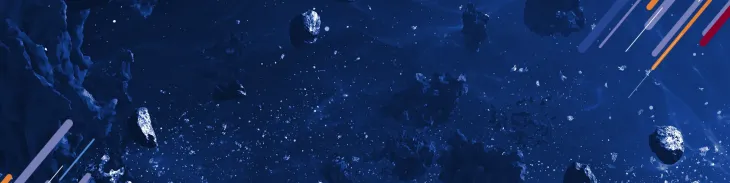
Space rocks such as comets and asteroids approach the Earth and enter the Earth’s atmosphere regularly. The EU supports activities that help to study and track those space rocks to better understand possible risks.
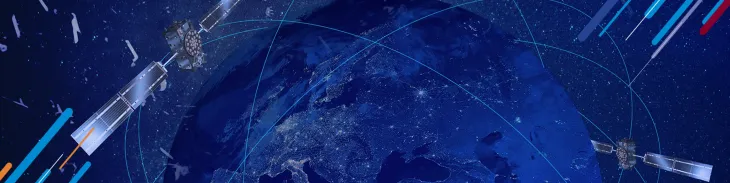
The SST subcomponent protects satellites from collisions in space, monitors their re-entries into Earth’s atmosphere, and assesses in-orbit fragmentations