
Implemented by the European Centre for Medium-Range Weather Forecasts (ECMWF)
Assessing the potential impacts of a changing climate requires leveraging data about the past, the present, and the future of our planet.
Overview
The Copernicus Climate Change Service data feeds climate adaptation and mitigation strategies at national, regional and international level ensuring that EU climate policies can be informed by the best available evidence.
C3S helps its users by:
- Fostering policy development: C3S’s information helps policymakers better protect citizens from climate-related hazards, such as extreme weather events.
- Supporting adaptation and mitigation strategies: C3S helps Europe mitigate and adapt to climate change in domains such as water management, agriculture, energy, and infrastructure.
- Promoting new services: by providing open access to climate data, C3S opens the door to new, environmentally-friendly innovations and applications. The service’s open data has widely contributed to the recent machine learning-based weather forecasting revolution.
- Informing society: C3S provides a range of reports, products and applications to inform audiences about climate change and its impacts.
The Climate Data Store (CDS) is a cornerstone of the service, delivering reliable and free access to up-to-date, high-quality climate data. The service curates data for specific stakeholders, such as scientists, policymakers, industry and a wide range of sectors such as energy, insurance, and agriculture, to name a few. C3S also provides technical support to help users most effectively leverage its climate data. Through CDS, users can access online and in-person training events across Europe. C3S data such as the reanalysis dataset ERA5 provides an important added value helping advance global research and was key to developing the latest artificial intelligence and machine learning based weather forecasting models.
In addition to CDS, C3S also delivers:
- C3S climate intelligence through key publications, which analyse monthly to long-term global and regional trends and climate conditions.
- Case studies, use cases, and demo cases around sectoral themes to guide industries and experts in addressing climate-related issues
- Applications targeting, energy, hydrology, food security, insurance and finance.
- The European State of the Climate (ESOTC), which provides a detailed analysis of the past calendar year, with descriptions of climate conditions and events that occurred in Europe,
- Accessible and intuitive applications for everyone to explore the data.
Other Copernicus services

The Copernicus Atmosphere Monitoring Service (CAMS) works to provide quality-assured data and information on the atmospheric composition with a focus on air pollutants and greenhouse gases.
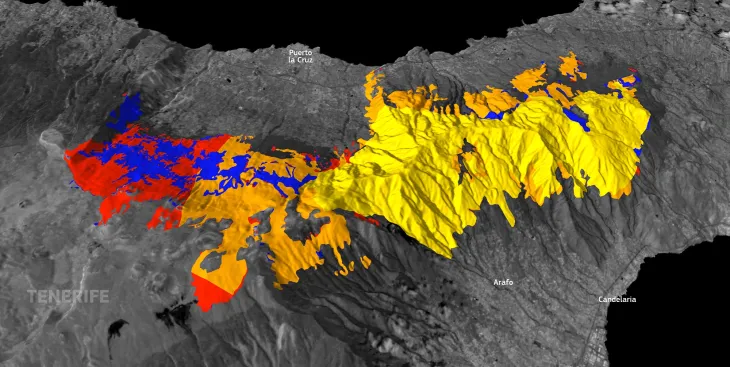
The Copernicus Emergency Management Service (CEMS) works to increase resilience, prevent the loss of life and property, and reduce damage to ecosystems before, during, and after disasters.
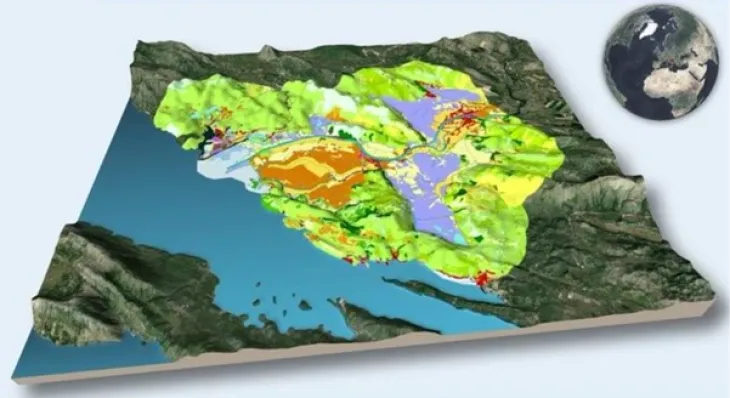
The Copernicus Land Monitoring Service (CLMS) helps Europe and the world make safer and more sustainable choices with regards to our planet and its vital resources.
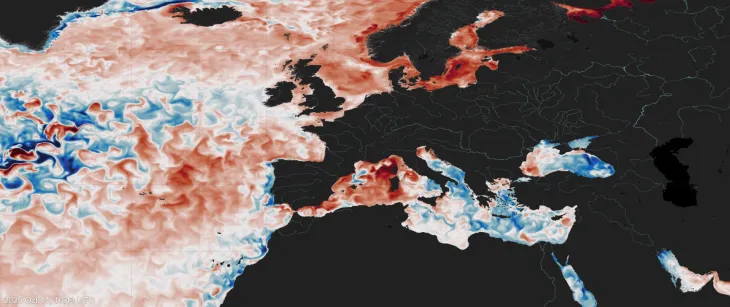
The Copernicus Marine Service (CMEMS) provides free and open data and services tracking these important ocean indicators. Its information helps to combat pollution, protect marine environments, develop new energy resources, raise global awareness of ocean-related issues, and much more.
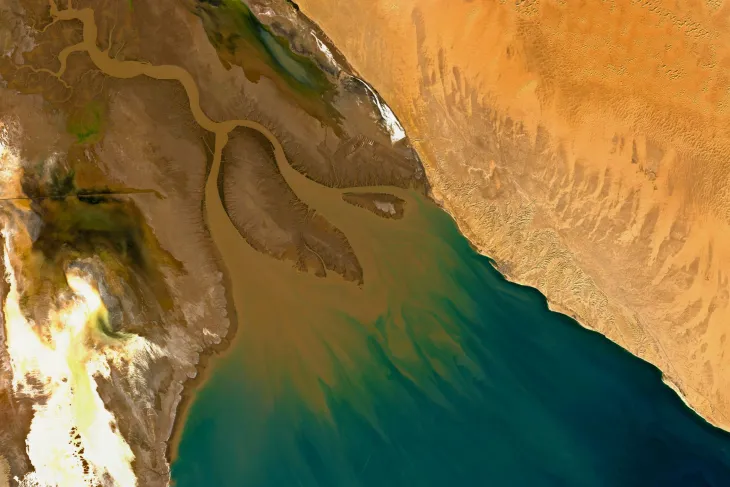
The Copernicus Security Service (CSS) supports innovative strategies to meet Europe’s security and foreign policy needs. It enables activities ranging from mapping and monitoring illegal logging or mining activities to combatting marine pollution and supporting law enforcement at sea.