
Coordinated by the European Commission and implemented by three entrusted entities: FRONTEX, EMSA, and SatCen.
The security challenges of the 21st century are daunting, from cross-border crime and emerging conflicts to humanitarian crises and climate-driven migration. However, thanks to Copernicus, the EU can face those challenges leveraging the power of Earth Observation data.
Limited public access. Primarily for institutional users such as law enforcement.
Overview
CSS helps the EU address security challenges by supplying accurate and up-to-date information. It works with EU agencies to improve crisis prevention, preparedness, and response with three services focused on:
- Maritime surveillance, implemented by the European Maritime Safety Agency (EMSA)
- Border surveillance, implemented by the European Border and Coast Guard Agency (FRONTEX)
- Support for EU external and security actions, implemented by the European Union Satellite Centre (SatCen)
A fourth programme within CSS, implemented by DG DEFIS, the Joint Research Centre (JRC), and other partner focuses on research and development to meet user and operational needs.
These activities help achieve EU security goals, which include:
- Reducing the death toll of immigrants and refugees attempting sea crossings
- Improving the EU’s ability to combat cross-border crime
- Increasing the safety of ocean navigation
- Enforcing EU laws and regulations at sea, including those on pollution and fishing
- Helping with delivery of humanitarian aid
- Supporting EU foreign policy in areas such as climate security and conflict resolution
Other Copernicus services

The Copernicus Atmosphere Monitoring Service (CAMS) works to provide quality-assured data and information on the atmospheric composition with a focus on air pollutants and greenhouse gases.

The Copernicus Climate Change Service (C3S) provides free and open access to its state-of-the-art, quality-assured climate data and insights to help inform climate adaptation and mitigation strategies worldwide.
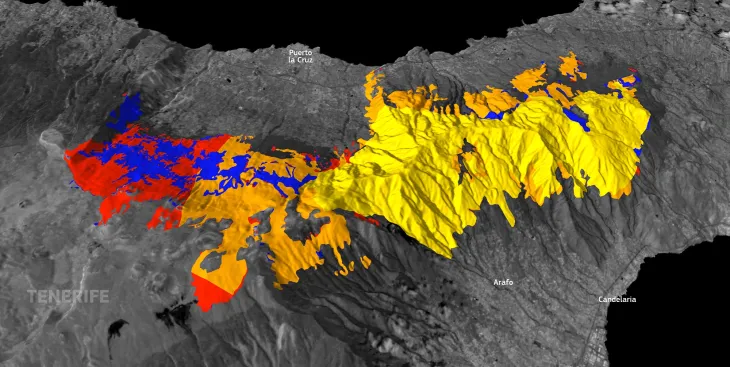
The Copernicus Emergency Management Service (CEMS) works to increase resilience, prevent the loss of life and property, and reduce damage to ecosystems before, during, and after disasters.
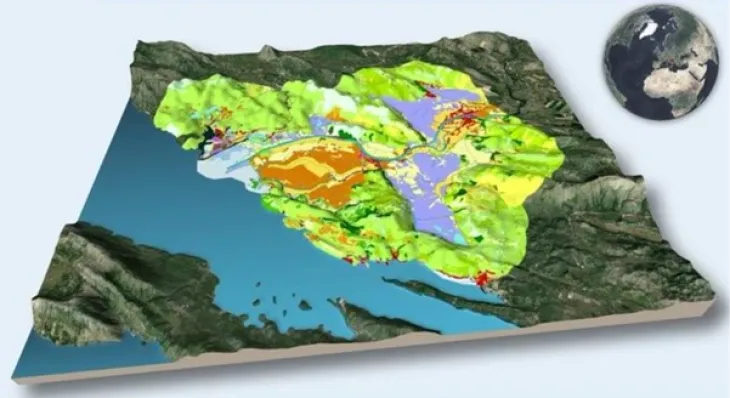
The Copernicus Land Monitoring Service (CLMS) helps Europe and the world make safer and more sustainable choices with regards to our planet and its vital resources.
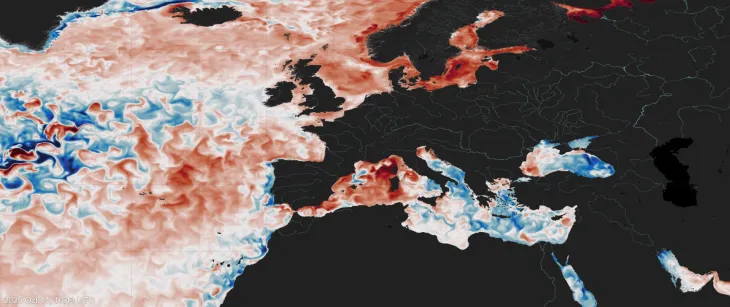
The Copernicus Marine Service (CMEMS) provides free and open data and services tracking these important ocean indicators. Its information helps to combat pollution, protect marine environments, develop new energy resources, raise global awareness of ocean-related issues, and much more.